








































Scam texts up 40% at Barclays: how to spot a fake parcel 'redelivery fee' this Christmas
Scams that start with a text rose 40% at Barclays, and they now make up 14% of its scam claims. With Black Friday orders on the way, fake 'we missed you, pay a small fee' texts are the classic. Here's how to tell, and what to do if you've already typed in your card.

50% of our commission goes to the charity or club you pick.Change
Pick a charity and we'll give them 50% of our commission.
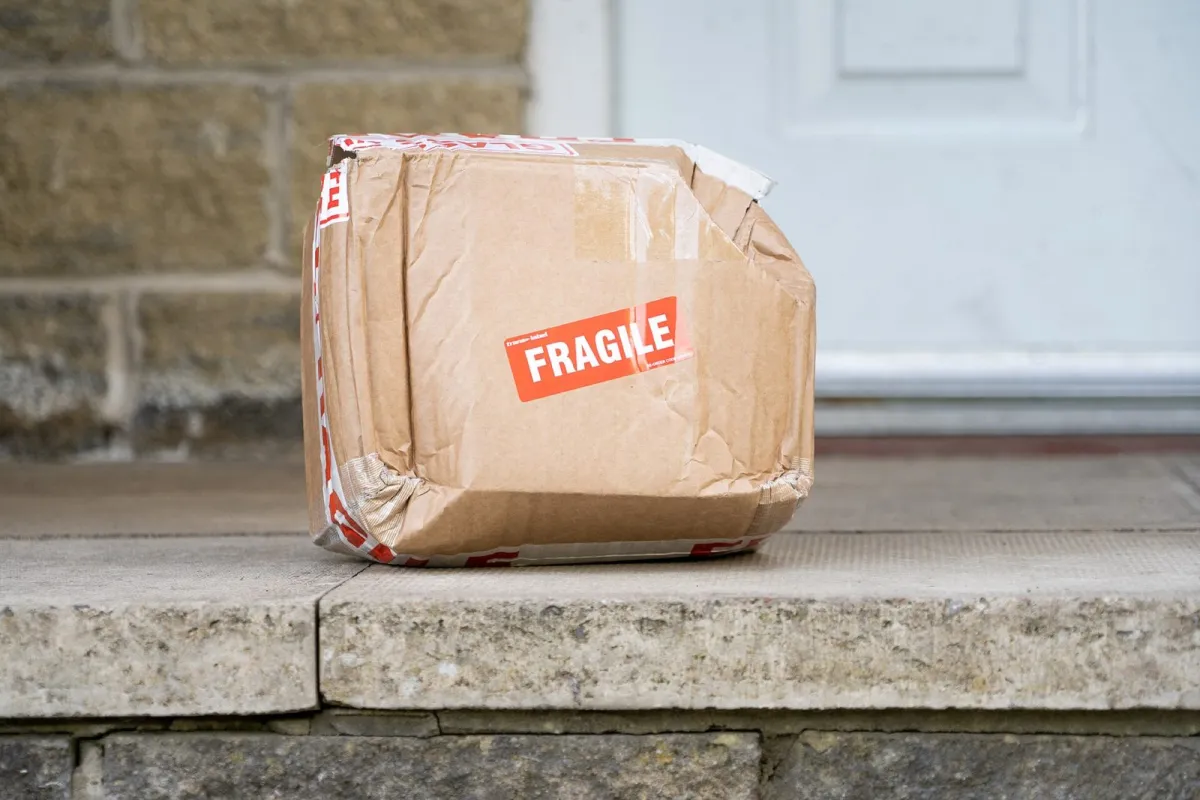
Scams that start with a text message are on the rise. Barclays says its average monthly reports of scams that began by text or SMS rose 40% from 2024 to 2025, and texts now account for 14% of its scam claims. With Black Friday on 27 November and Christmas orders on the way, the fake parcel text is the one to watch.
What's happening
Lloyds describes the usual version. A text claims to be from Royal Mail and says a parcel is waiting. To get it, you're told to click a link and pay a fee. The link goes to a fake Royal Mail page that asks for your personal and banking details. Lloyds says that if you're expecting a delivery, Royal Mail won't get in touch to ask for your personal or banking details.
Barclays says scammers have turned to texts as people grow warier of shopping online. In its research published on 13 November 2026, 76% of UK adults said AI had made scams more convincing.
Reporting works. The National Cyber Security Centre (NCSC) says that by October 2026 it had received more than 60.5 million scam reports, leading to 267,300 scams being removed across 472,300 web addresses.
A worked example: the small fee is the bait
Say a text says your parcel couldn't be delivered and asks for a small payment to rebook it. The fee itself is tiny. What the scammer wants is what you type into the fake page: your name, address, date of birth and full card details. With those, they can try to spend on your card, or call you pretending to be your bank, quoting details that make them sound real.
So the true cost isn't the fee. It's whatever they can take from your account, and the time to sort it out.
Warning signs
- A text about a parcel you aren't expecting, or don't recognise.
- A request for a payment, however small, to release or rebook a delivery.
- A link to a web address that doesn't match the courier's own site.
- Pressure: "today only", or a warning that the parcel will be returned.
- A page that asks for your card details and date of birth to pay a fee.
What to do now
- Don't click or reply. Lloyds' advice for a text like this is to delete it.
- Report it for free by forwarding it to 7726. The NCSC says your mobile provider can then investigate and block the sender. You can also send a screenshot of a scam text or QR code to [email protected].
- If you typed in card details, call your bank straight away on the number on your card, and ask it to block the card. Citizens Advice says to contact your bank immediately if you see a payment you don't recognise.
- Expect a follow-up call. If someone then rings "from your bank" about suspicious payments, hang up and call the number on your card yourself.
- Report any loss to Report Fraud at reportfraud.police.uk or on 0300 123 2040. In Scotland, the NCSC says to call Police Scotland on 101.
Questions
Will I get my money back? Tell your bank at once. If it won't refund you, complain to the bank first. Citizens Advice says that if 8 weeks pass without a fix, or the bank sends a final response, you can go to the Financial Ombudsman.
What if a card came through my door instead? A card through the door asking you to pay a fee should be checked the same way: look up the courier's contact details yourself, not the ones printed on the card.
Are stamps a scam too? Fake stamps are a separate problem. Our guide to counterfeit stamps explains the risk, and our Christmas last posting dates show when to send.
Ways to save
Sending gifts yourself? With a parcel broker such as Parcel ABC, you book online and track on its own site, so you know where genuine updates come from. For more on shopping safely before Black Friday, see our guide to fake sellers and purchase scams.
When you shop through Voucher Magpie, part of the commission the shop pays us goes to the charity or club you pick. You pay the same price.
Sources: Barclays, Scams Bulletin, 18 Dec 2025, Barclays, Black Friday scams research, 13 Nov 2026, Lloyds, latest scams, 15 Nov 2026, NCSC, phishing scams, 15 Nov 2026, NCSC, report a scam text, 15 Nov 2026, NCSC, reporting a loss, 15 Nov 2026, Citizens Advice, getting your money back after a scam, 15 Nov 2026
More on your rights when you shop
- Buying a used car? Your 30 days to reject a faulty one, and the coming clocking ban
- Cold Weather Payment £25 a week, £150 Warm Home Discount: winter help paid automatically
- Christmas temp job? £12.71 an hour from age 21, plus holiday pay and sick pay
- Broken boiler? From 30 November social landlords must make homes safe within 24 hours
The Thursday email
Every Thursday: the best codes from the brands you shop at. After you sign up, pick your brands and whether you want codes, hot deals, free delivery or student offers. No spam, unsubscribe in one click.
Keep reading
Fake loans that ask for £25 to £450 upfront: how to spot loan fee fraud before Christmas
The FCA says loan fee fraudsters often ask for £25 to £450 for a loan that never arrives. With Bank Rate up to 4% and Christmas bills landing, here's how the scam works and how to tell a genuine lender or broker.
 Mike Dodd

238,396 money mule accounts shut in 2025: the 'easy Christmas cash' offer to refuse
Banks closed 238,396 suspected money mule accounts last year, the FCA says, and 85,425 belonged to people aged 25 or under. An offer to keep a cut of money passed through your account can cost you your bank account, your credit and up to 14 years in prison.
Mike Dodd
Fake celebrity investment ads: why scams took 47p of every £1 claimed at Barclays
Investment scams were only 7.1% of scam reports to Barclays in 2025 but 47% of the money claimed, and the typical claim was £3,400. Many start with a famous face in an ad. Here's how the fake celebrity and deepfake ads work, and the checks that stop them.
Mike Dodd