









































Buying a used car? Your 30 days to reject a faulty one, and the coming clocking ban
Buy from a dealer and you have 30 days to reject a faulty car. After that, rights continue, but dealers can deduct for use, even in the first 6 months. Plus the free checks to do before you pay.

50% of our commission goes to the charity or club you pick.Change
Pick a charity and we'll give them 50% of our commission.
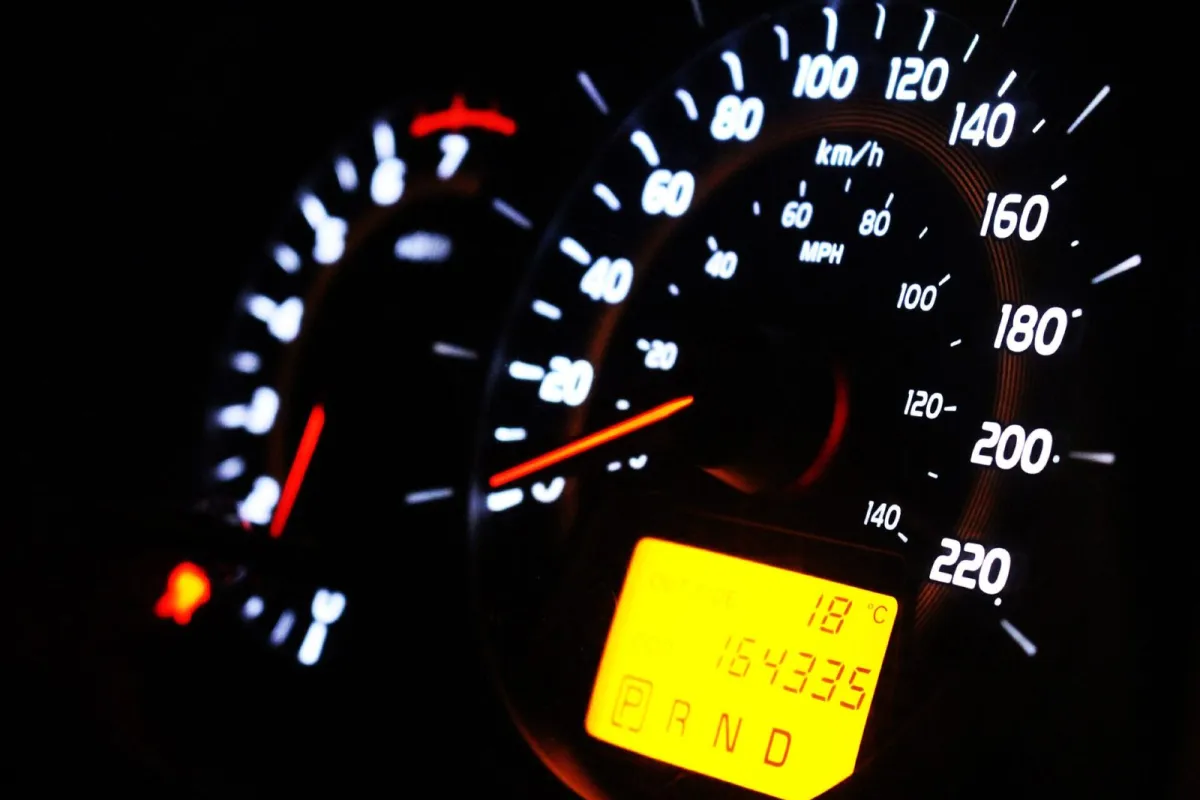
Buy a used car from a dealer and it turns out to be faulty, and you have 30 days to reject it for a refund under the Consumer Rights Act 2015. After that, you still have rights for much longer, but they work differently for cars than for most things you buy. The government has also said it will add car clocking, winding back the mileage, to the list of practices that are always banned for businesses selling to consumers. Here's what to check before you buy, and what to do if it goes wrong, checked on 15 November 2026.
What the law says
A car bought from a trader must be of satisfactory quality, fit for purpose and as described. If it isn't:
- Within 30 days of taking ownership and delivery, you can reject it (section 22). This is the short-term right to reject.
- Within 6 months of delivery, a fault is presumed to have been there when you got the car, unless the dealer proves otherwise (section 19).
- After 30 days, the dealer usually gets the chance to repair or replace the car first. If that doesn't work, you can use the final right to reject or ask for a price reduction.
- The catch for cars: for most goods, there's no deduction for the use you've had if you reject in the first 6 months. Motor vehicles are an exception (section 24), so a dealer can take something off your refund for the miles you've driven.
Buying privately gives you fewer rights than buying from a trader. Citizens Advice calls auctions "probably the riskiest way" to buy, as you probably won't have a trader's legal protection, such as the right to returns and refunds.
The clocking crackdown
In a 19 October announcement, the government said it will add winding back odometers to the banned practices list in Schedule 20 of the Digital Markets, Competition and Consumers Act 2024, for businesses selling cars to consumers. It quoted carVertical figures that buyers of clocked cars in the UK overpaid by about £1.2 billion in 2024, and that the affected odometers had nearly 22,000 miles removed on average. No start date has been announced. Citizens Advice already gives a false mileage reading as an example of a fault you may have rights over.
Who's affected
Anyone buying a used car this winter, especially in Black Friday and year-end sales. The checks below are worth doing whoever you buy from.
A worked example
Ben buys a used car from a dealer for £8,000 on 28 November. On 15 December, 17 days later, the gearbox starts slipping. He's inside the 30 days, so he can reject the car and ask for his £8,000 back.
If the same fault had appeared in March instead, about 4 months in, it would be presumed to have been there at delivery. The dealer would first get the chance to fix it. If the repair failed and Ben rejected the car, the dealer could deduct an amount for the months he'd used it, because cars are the exception to the no-deduction rule.
What to do now
- Before you buy, check the registration, mileage, make and model against DVLA records with the free online vehicle checker, and look up the car's MOT history for free on GOV.UK.
- Consider a private history check, which Citizens Advice says costs up to £20 and shows outstanding finance, write-offs, theft and mileage problems.
- Get the original V5C log book. Citizens Advice says never to buy a car without it.
- Pay by credit card if you can. Section 75 covers goods costing £100 to £30,000.
- If a fault appears, write to the dealer straight away, say you're rejecting the car under the Consumer Rights Act 2015 if you're within 30 days, and stop using it where you can.
- If the dealer refuses, check whether it's in the Motor Ombudsman's code or a trade association, or call the Citizens Advice consumer helpline on 0808 223 1133.
Your questions answered
When does the 30 days start? The day after you own the car and it's been delivered to you.
Do I have to accept a repair inside the 30 days? No. You can choose to reject instead. You can agree to a repair if you'd rather keep the car.
Is an independent inspection worth it? On a pricier car, maybe. Citizens Advice puts the cost at around £120 to £250.
Ways to save
Once you've bought, Halfords offers free brake, battery, tyre and air con checks, according to our store page, which is handy for a car new to you. Breakdown cover from The AA is worth comparing before winter. And eBay has up to 45% off car care, including T-Cut and Goodyear, on our store page.
When you shop through Voucher Magpie, part of the commission the shop pays us goes to the charity or club you pick. You pay the same price.
Sources: Consumer Rights Act 2015, section 22, section 19 and section 24, legislation.gov.uk, Citizens Advice, buying a used car, checked 15 Nov 2026, GOV.UK, PM puts the brakes on rip-off parking charges and car scams, 19 Oct 2026
More on your rights when you shop
- Cold Weather Payment £25 a week, £150 Warm Home Discount: winter help paid automatically
- Christmas temp job? £12.71 an hour from age 21, plus holiday pay and sick pay
- Broken boiler? From 30 November social landlords must make homes safe within 24 hours
- Faulty game, app or in-game purchase? Your 6-month rights to a fix or money back
The Thursday email
Every Thursday: the best codes from the brands you shop at. After you sign up, pick your brands and whether you want codes, hot deals, free delivery or student offers. No spam, unsubscribe in one click.
Keep reading

Cold Weather Payment £25 a week, £150 Warm Home Discount: winter help paid automatically
From 1 November to 31 March, people on certain benefits get £25 for each freezing week, without claiming. Add the £150 Warm Home Discount and the £100 to £300 Winter Fuel Payment. Who qualifies, and what to do if nothing arrives.
 Mike Dodd

Christmas temp job? £12.71 an hour from age 21, plus holiday pay and sick pay
Seasonal and zero-hours workers get the same minimum wage, holiday and sick pay rights as anyone else. Here are this year's rates, the 12.07% holiday rule, and sick pay with no waiting days since April.
Mike Dodd
Broken boiler? From 30 November social landlords must make homes safe within 24 hours
Awaab's Law covers excess cold in social housing from 30 November, so an emergency like a broken boiler must be made safe within 24 hours. Private renters aren't covered yet, but their landlords still have to fix the heating.
Mike Dodd