









































Broken boiler? From 30 November social landlords must make homes safe within 24 hours
Awaab's Law covers excess cold in social housing from 30 November, so an emergency like a broken boiler must be made safe within 24 hours. Private renters aren't covered yet, but their landlords still have to fix the heating.

50% of our commission goes to the charity or club you pick.Change
Pick a charity and we'll give them 50% of our commission.
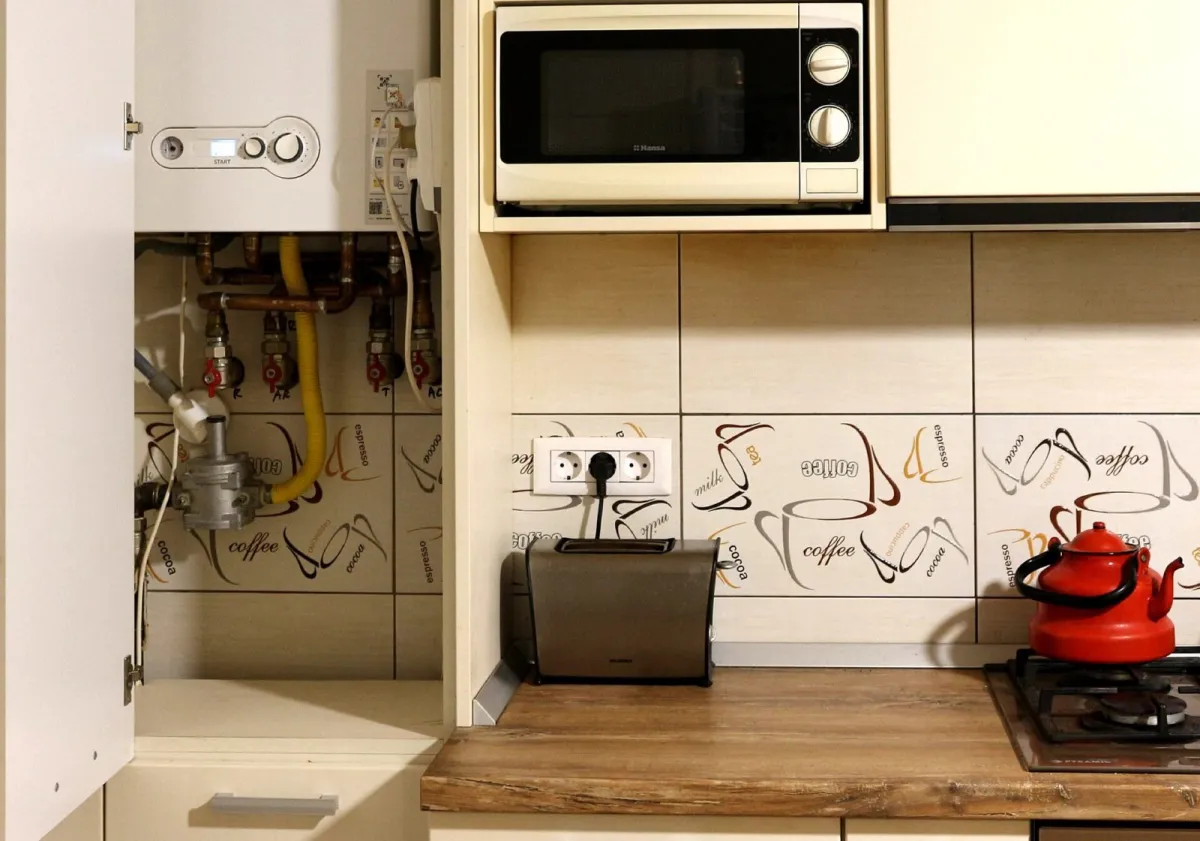
From 30 November 2026, social landlords in England must deal with a dangerously cold home much faster. That's when Awaab's Law extends to "excess cold" and six other hazards. A broken boiler that puts a tenant at serious risk can count as an emergency, which means the landlord has to investigate and make the home safe within 24 hours. Private renters aren't covered yet, but their landlords still have to fix the heating. Here's where you stand this winter, checked on 15 November 2026.
What's changing on 30 November
Awaab's Law started for social housing on 27 October 2025, covering damp and mould. The government's guidance for social landlords says that from 30 November 2026 it also covers excess cold, excess heat, falls on the level, structural collapse, fire and explosions, electrical hazards and domestic hygiene, where they pose a significant risk of harm.
The timescales are the same as for damp and mould:
- Emergency hazards: investigate and do the safety work within 24 hours of finding out.
- Significant hazards: investigate within 10 working days, send you a written summary within 3 working days after that, and do the safety work within 5 working days of the investigation ending.
The guidance lists broken boilers as an example of a possible emergency hazard, and says a broken boiler is likely to be more severe in colder months. It suggests a reasonable landlord might provide temporary heaters while fixing a boiler.
Who's affected
Council and housing association tenants in England get the new timescales from 30 November.
Private renters don't, yet. The government is consulting on extending Awaab's Law to private tenancies until 11.59pm on 18 December 2026, and its Renters' Rights Act roadmap lists the start date as "TBC". But your landlord already has a legal duty: GOV.UK says landlords are always responsible for repairs to heating and hot water, and gas appliances, pipes, flues and ventilation. Citizens Advice says those duties can't be removed by anything in your tenancy agreement, and the landlord can't charge you for them. And since 1 May 2026, private landlords in England can no longer use section 21 "no fault" evictions.
A worked example
A housing association tenant's boiler fails on Tuesday 1 December. She has a baby and the flat is freezing, so she reports it by phone and follows up by email the same morning. If the landlord judges it an emergency hazard, it has until Wednesday morning to investigate and make the home safe, for example with temporary heaters. If it's treated as a significant hazard instead, the clock is 10 working days to investigate, 3 more for the written summary and 5 more to make it safe.
A private tenant in the same situation has no fixed deadline, but the landlord must repair the heating once told about it. If nothing happens, she can contact the council.
What to do now
- Report the fault straight away using your landlord's official contact method, then follow up in writing. Citizens Advice says your landlord only has to make repairs once it knows there's a problem.
- Send photos or videos, and say who in the home is vulnerable to the cold, for example a baby, an older person or someone with asthma.
- Keep a dated record of every call, email and visit.
- Keep paying your rent while you wait. GOV.UK says you should.
- Social tenants: if it isn't fixed, use your landlord's formal complaints process, then go to the Housing Ombudsman on 0300 111 3000.
- Private tenants: ask your council's environmental health team for help. GOV.UK says the council must act if it thinks problems could harm you.
Your questions answered
Can I fix the boiler myself and take it off the rent? GOV.UK says you should only do repairs yourself if your tenancy agreement allows it, and you should keep paying rent while you wait.
Does Awaab's Law apply in Scotland or Wales? The rules here are for England. Other parts of the UK have their own housing standards.
How can private renters have a say? The consultation is open until 18 December 2026. You can respond online through GOV.UK.
Ways to save
Waiting for a repair? If you need a plug-in heater to tide you over, compare Robert Dyas and Argos. For draught-proofing, look at Dunelm or B&Q, and for thermal base layers Mountain Warehouse, which is running a Black Friday preview on our store page.
When you shop through Voucher Magpie, part of the commission the shop pays us goes to the charity or club you pick. You pay the same price.
Sources: GOV.UK, Awaab's Law phase 2 guidance for social landlords, updated 31 Jul 2026, GOV.UK, Awaab's Law guidance for tenants in social housing, updated 4 Dec 2025, GOV.UK, extending Awaab's Law to private rented tenancies, consultation opened 9 Oct 2026, GOV.UK, Renters' Rights Act 2025 implementation roadmap, GOV.UK, private renting: repairs, checked 15 Nov 2026, Citizens Advice, check if your landlord has to do repairs, checked 15 Nov 2026
More on your rights when you shop
- Faulty game, app or in-game purchase? Your 6-month rights to a fix or money back
- Black Friday order never arrived? Contact the shop, not the courier: 30-day rule explained
- Private parking charges: the new £100 cap, 10-minute grace and how to appeal for free
- Black Friday price errors: when shops must honour them, and 90 days to undo misled buys
The Thursday email
Every Thursday: the best codes from the brands you shop at. After you sign up, pick your brands and whether you want codes, hot deals, free delivery or student offers. No spam, unsubscribe in one click.
Keep reading

Faulty game, app or in-game purchase? Your 6-month rights to a fix or money back
Digital content has its own rights under the Consumer Rights Act: a fix first, then money off up to the full price, and 6 months in which a fault is assumed to be there from day one. Here's how to claim before the Christmas game sales.
 Mike Dodd

Black Friday order never arrived? Contact the shop, not the courier: 30-day rule explained
Until a parcel is in your hands, it's at the retailer's risk under the Consumer Rights Act. Here's who to contact tonight, what evidence to ask for, and when section 75 or chargeback comes in.
Mike Dodd
Private parking charges: the new £100 cap, 10-minute grace and how to appeal for free
A new private parking code, laid on 20 October, freezes the cap at £100, adds a 10-minute grace period and limits slips to £20. It could start on 21 December. Here's how to appeal a shopping centre ticket now.
Mike Dodd