







































Charged extra for paying by card? It's been banned since 2018, and you can get it back
Businesses can't add a fee for paying with a personal debit, credit or charge card, or PayPal. Fees that apply however you pay are still allowed. If you've been charged a card fee, you're entitled to a refund.

50% of our commission goes to the charity or club you pick.Change
Pick a charity and we'll give them 50% of our commission.
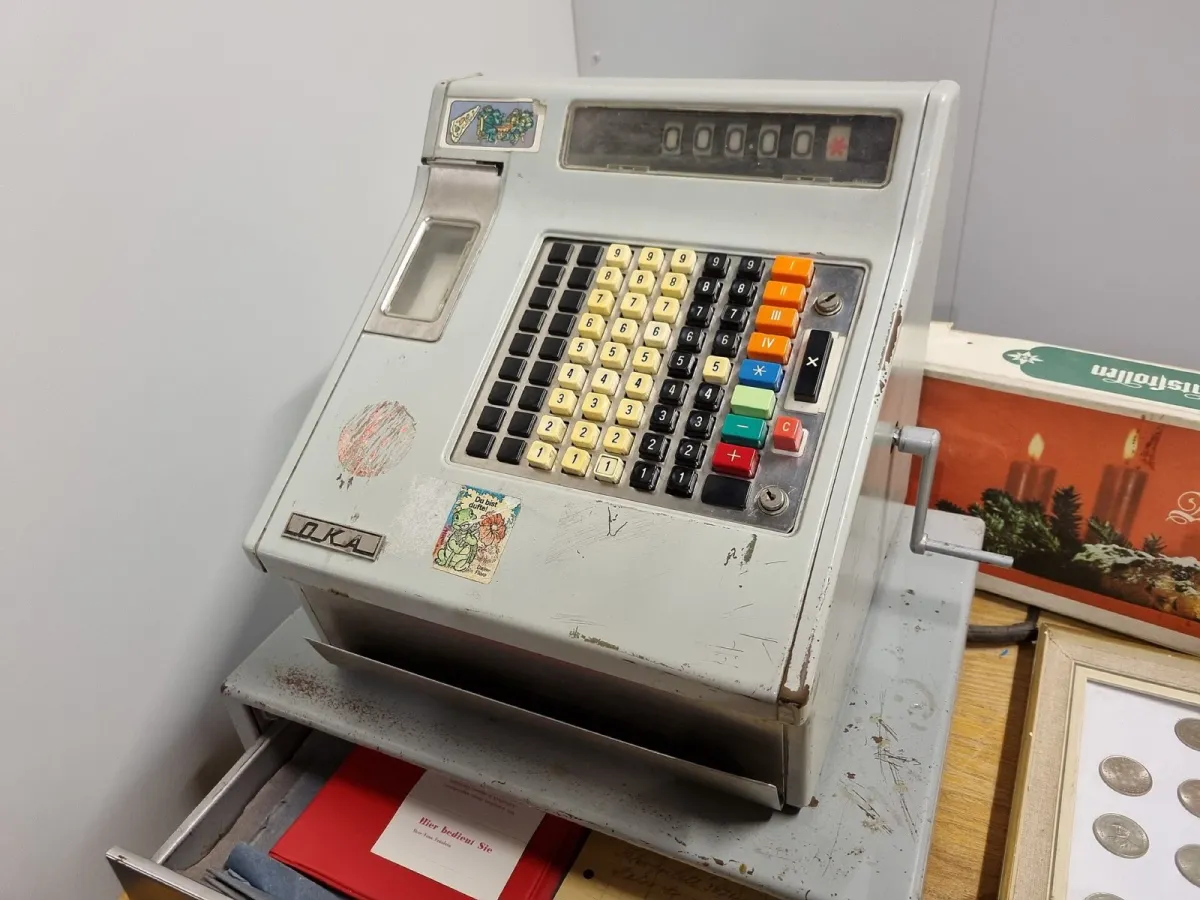
A takeaway adds 50p because you paid by card, or a hotel booking adds 2% for a credit card. Since 13 January 2018, that has been unlawful in the UK for ordinary personal debit, credit and charge cards, and for payment services such as PayPal. If you've paid one, you're entitled to the money back. With Black Friday weekend and Christmas spending in full swing, here's what's banned, what's still allowed, and how to get a refund, checked with GOV.UK and Trading Standards' Business Companion on 22 November 2026.
What's banned
Under regulation 6A of the Consumer Rights (Payment Surcharges) Regulations 2012, a business must not charge you a fee for paying with a consumer card. Trading Standards' Business Companion guide says businesses can't add any surcharge for:
- consumer credit, debit or charge cards;
- similar non-card methods, for example mobile phone-based payments;
- electronic payment services, for example PayPal.
When the ban started, the government estimated surcharging had cost UK consumers £166 million in 2015.
What's still allowed
- Other payment methods. Businesses may charge for cash, cheques, standing orders and direct debits, but no more than it costs them to process the payment.
- Commercial cards. Company debit and credit cards aren't covered by the ban. What counts is the card, not who's using it.
- Fees that apply to everyone. A booking, delivery or admin fee isn't a payment surcharge if it's the same however you pay. A £10 booking fee charged whether you pay by cash or card is allowed.
Any compulsory surcharge that is allowed must be included in the price wherever it's shown, before you decide to buy, and mustn't be hidden.
Who's affected
Anyone paying for Christmas shopping, takeaways, taxis, tickets or bookings with a personal card or PayPal. The rules apply in England, Scotland and Wales, and Northern Ireland has its own guidance.
A worked example
This is an illustration. Over the Black Friday weekend, Tom pays £24 for a takeaway by debit card and is charged a 50p "card fee". He also books a £180 hotel night for Christmas, and the website adds 2% (£3.60) for paying by credit card.
- Both fees are banned, as he used personal cards. He can ask for the 50p and the £3.60 back.
- If the hotel had charged a £5 booking fee to every guest, however they paid, that would be allowed, because it's not linked to the payment method.
- If Tom had paid with his company's business credit card, the hotel could add a fee, but no more than its cost of taking that card.
What to do now
- Check receipts and booking confirmations for "card fee", "card charge" or "payment fee" lines.
- If you spot one before paying, point out that surcharges on consumer cards are banned and ask for it to be removed. Business Companion says you can't be made to pay it.
- If you've already paid, ask the business in writing for a refund of the surcharge. GOV.UK says you're entitled to it back.
- If it refuses, report it to Trading Standards through the Citizens Advice consumer helpline on 0808 223 1133. Trading Standards enforces the ban.
- You can also take legal action, such as a small claim, to recover the money, even if Trading Standards hasn't acted.
Your questions answered
What about a minimum spend for cards? The rules ban fees for paying by card. They don't mention minimum spends.
Does it matter if the business is small? No. The ban applies to any business charging a consumer for a card payment.
Ways to save
Free click and collect is a simple way to avoid delivery fees altogether. Our store pages list free same-day Click & Collect at Dunelm, free Click & Collect in 264 stores at The Range, free Click & Collect on fashion, home and beauty at Marks & Spencer, and free click and collect at Boots when you spend £15.
When you shop through Voucher Magpie, part of the commission the shop pays us goes to the charity or club you pick. You pay the same price.
Sources: Consumer Rights (Payment Surcharges) Regulations 2012, regulation 6A, legislation.gov.uk, Business Companion (Trading Standards), payment surcharges, updated Apr 2025, GOV.UK, card surcharge ban, 13 Jan 2018
More on your rights when you shop
- Price dropped after Black Friday? You have 14 days from delivery to cancel and rebuy
- Gift cards from Christmas 2024 could expire now: the 24-month rule and your rights
- Black Friday phone or broadband deal? Rises must be in £, and £10.34 a day for faults
- Power cut over 12 hours? £100 from your network, plus 4 more energy rights to know
The Thursday email
Every Thursday: the best codes from the brands you shop at. After you sign up, pick your brands and whether you want codes, hot deals, free delivery or student offers. No spam, unsubscribe in one click.
Keep reading

Price dropped after Black Friday? You have 14 days from delivery to cancel and rebuy
No law makes a shop refund the difference when a price falls. But online buys come with 14 days from delivery to cancel for any reason, so you can rebuy for less. John Lewis also matches its own price drops for 7 days.
 Mike Dodd

Gift cards from Christmas 2024 could expire now: the 24-month rule and your rights
Many UK gift cards last 24 months, some from the day they were bought, so cards from Christmas 2024 may be running out. What the law says, what happens if the shop goes bust, and how to pay so you're covered.
Mike Dodd
Black Friday phone or broadband deal? Rises must be in £, and £10.34 a day for faults
New phone and broadband contracts must state any price rises in pounds and pence. Bigger rises let you leave free within 30 days, and Ofcom's scheme pays £10.34 a day for slow repairs and £32.31 for a missed engineer.
Mike Dodd