








































Paid a fake Black Friday seller by bank transfer? Your bank must refund up to £85,000
If a scammer tricks you into a bank transfer, your bank must usually refund you up to £85,000, minus an excess of up to £100. Report it within 13 months. Here's how the rules work, and when paying by card is safer.

50% of our commission goes to the charity or club you pick.Change
Pick a charity and we'll give them 50% of our commission.
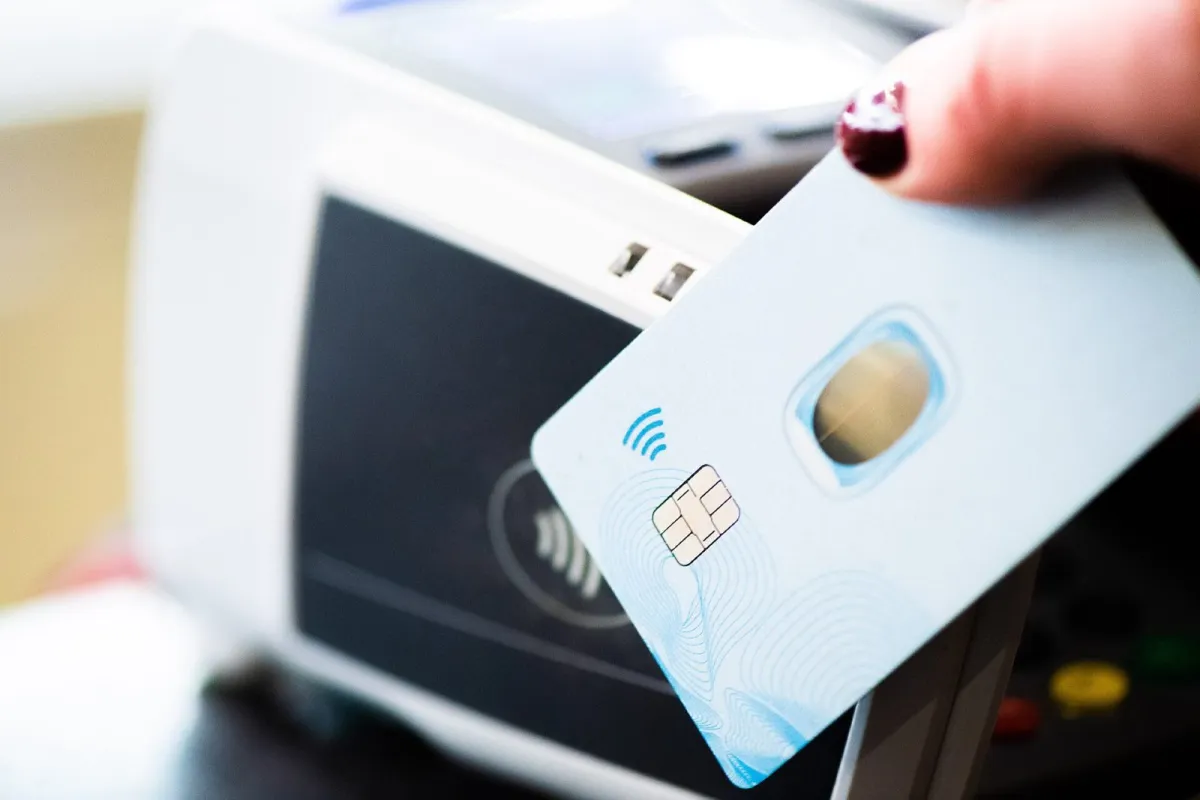
If you're tricked into paying a scammer by bank transfer, your bank must usually refund you, up to £85,000. It can take off an excess of up to £100. You have 13 months to report it. On Black Friday, when fake sellers are busiest, that's worth knowing before you pay anyone.
What's happened
These rules, set by the Payment Systems Regulator, have covered bank transfers made since 7 October 2024. The latest figures show they're working. In the first 18 months, to 31 March 2026, 88% of the money lost to these scams was paid back, £316 million in all. 82% of claims were closed within five business days.
The scams haven't gone away. UK Finance says losses to authorised push payment fraud, where you're tricked into sending the money yourself, rose 19% in 2025 to £576.4 million. Purchase scams, where you pay for something that never comes, made up 71% of those cases. Two in three cases started online.
Who's covered
- You're covered if you're an individual, a micro-business or a charity, and you paid by Faster Payments or CHAPS from a UK account.
- The limit is £85,000 per claim. The regulator says that covers over 99% of claims. Larger losses can go to the Financial Ombudsman.
- The excess is up to £100, and some banks charge none. It can't be charged to vulnerable customers.
- Not covered: card, cash and cheque payments, which have their own protections. Nor are disputes with a genuine seller, such as faulty goods. Those fall under the Consumer Rights Act. Credit unions aren't part of the scheme either.
The catches
Your bank can refuse if you were in on the fraud, or if you were "grossly negligent". The regulator calls that a high bar, and it doesn't apply to vulnerable customers. Citizens Advice says a bank may also refuse if you weren't careful, for example if it warned you the payment might be a scam and you paid anyway. In the scheme's first 18 months, 3% of claims were turned down for not taking enough care.
A worked example
You see a games console bundle for £300 on a social media page. The seller asks for a bank transfer. Nothing arrives, and the page disappears.
- Bank transfer: report it to your bank. If it applies the full £100 excess, you'd get £200 back. If it charges no excess, or you're vulnerable, you'd get all £300. You should expect a decision within five business days, or 35 at most if the bank needs more information.
- Credit card: because £300 is between £100 and £30,000, you could claim from the card provider under section 75, with no excess.
- Debit card: you can ask your bank for a chargeback, whatever the amount.
- Gift cards or vouchers: Citizens Advice says you're unlikely to get the money back.
What to do now
- Call your bank as soon as you realise. Use the number on your card or call 159, which reaches most UK banks.
- Report it within 13 months of the payment. The regulator says to report it as soon as possible.
- Report it to Report Fraud at reportfraud.police.uk, and keep screenshots of the advert, messages and payment.
- Expect an answer within five business days. The bank can pause the clock to gather information, but must decide within 35 business days.
- If you're refused or unhappy, complain to your bank. If it isn't sorted in 8 weeks, or you get a final response, go to the Financial Ombudsman, which is free.
Questions
The item arrived but it's fake. Am I covered? If the seller was a scammer from the start, report it to your bank as a scam. If it's a genuine business that sold you a faulty item, it's a consumer rights dispute, not a scam claim.
I paid with PayPal. If you paid from your PayPal balance, Citizens Advice says to open a dispute with the seller through PayPal.
How do I spot a fake shop? Our guide to fake Black Friday sellers lists the warning signs.
Ways to save
The safest Black Friday deal is one from a shop you know, paid by card. John Lewis has extended Christmas returns until 23 January 2027 and a Price Promise. Currys is offering 10% cashback on selected LG TVs, and Blue Light Card members get 4% off Argos shopping cards.
When you shop through Voucher Magpie, part of the commission the shop pays us goes to the charity or club you pick. You pay the same price.
Sources: Payment Systems Regulator, APP fraud reimbursement protections, 22 Nov 2026, Payment Systems Regulator, APP scams reimbursement dashboard, 30 Jul 2026, UK Finance, Annual Fraud Report 2026, 15 Jun 2026, Citizens Advice, getting your money back after a scam, 22 Nov 2026, Stop Scams UK, 159, 22 Nov 2026
More on your rights when you shop
- Price dropped after Black Friday? You have 14 days from delivery to cancel and rebuy
- Gift cards from Christmas 2024 could expire now: the 24-month rule and your rights
- Black Friday phone or broadband deal? Rises must be in £, and £10.34 a day for faults
- Power cut over 12 hours? £100 from your network, plus 4 more energy rights to know
The Thursday email
Every Thursday: the best codes from the brands you shop at. After you sign up, pick your brands and whether you want codes, hot deals, free delivery or student offers. No spam, unsubscribe in one click.
Keep reading

Ivy Street Family Centre joins Voucher Magpie: how your shopping can help families with babies and toddlers in Hoxton
Ivy Street runs low-cost stay and play for under-fives in Hoxton and gives free baby clothes and equipment to families who need them. Choose it on Voucher Magpie and we'll give it 50% of our commission whenever you shop, at no cost to you.
 Mike Dodd
Two-year fixes average 5.39%: what remortgaging costs before the 17 December decision
The average two-year fixed mortgage was 5.39% in October, up from 3.97% in February, Bank of England figures show. If your deal ends in the next six months, here's what it could cost and what to do before the Bank's next decision.
Mike Dodd
1,704 Self Assessment scams: the fake HMRC 'tax refund' to ignore before 31 January
HMRC logged 1,704 Self Assessment scams in a year, about 900 from one fake tax refund email in August. With returns due by 31 January 2027, here's how to spot a fake and where to report it.
Mike Dodd