
Does the EU think you've overstayed? How to check your 90 days under EES and fix mistakes
The EU's new border system counts every day Britons spend in Europe, and some records are wrong. Here's how to check your days online and get a mistake corrected.

50% of our commission goes to .Change
Pick a charity and we'll give them 50% of our commission.
What's happened
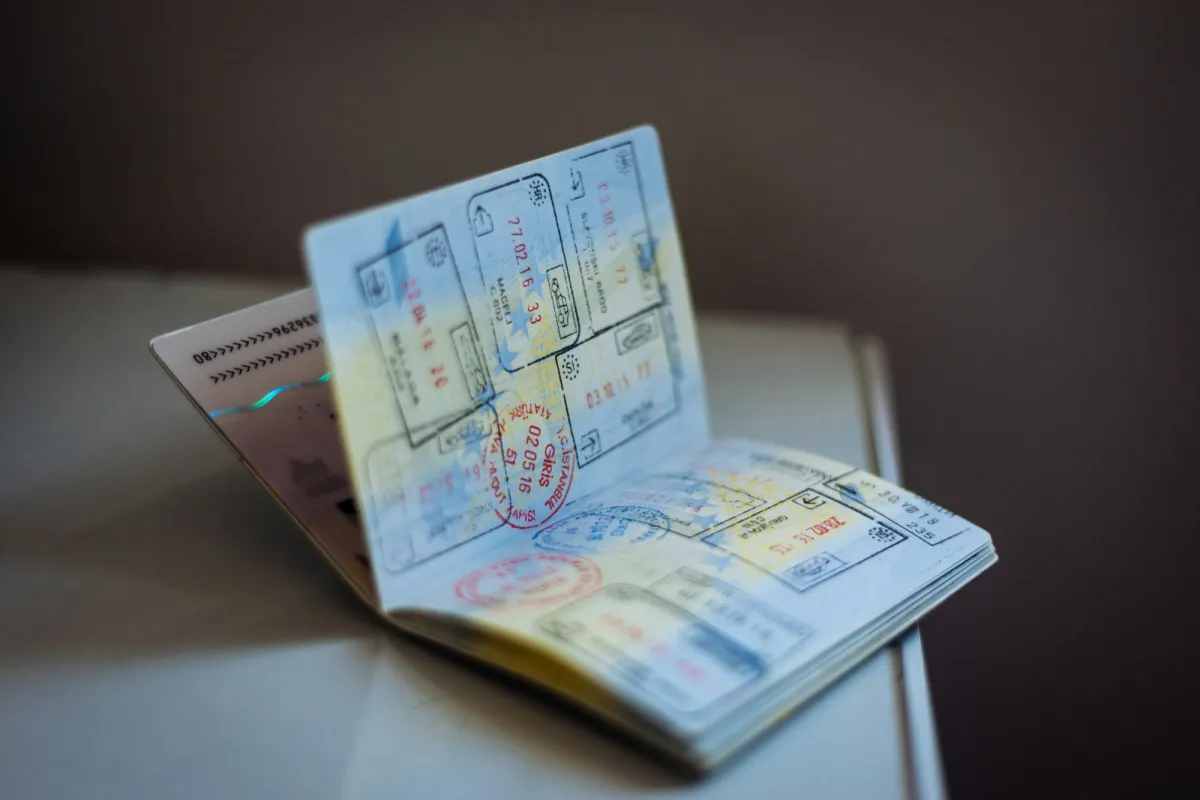
Since 10 April 2026, when the EU's Entry-Exit System (EES) was fully rolled out, British travellers entering most of Europe have had their fingerprints and photo taken at the border. EES replaces passport stamps with a digital record that counts how many of your 90 days you've used.
Which? reported on 15 October that some travellers are being shown as having overstayed, or getting a "Not OK" result, when they still have days left. It says this can happen when records are wrong, for example when the counter keeps ticking down while the traveller is back in the UK.
A wrong record matters, because the EES Regulation says that where there's no exit record after an authorised stay ends, the data is kept for five years. Which? also warned on 22 October that tourist taxes can add hundreds of pounds to a trip.
What the rules say
- The 90/180-day rule. GOV.UK says British passport holders can travel without a visa to the Schengen area for up to 90 days in any 180-day period. You count back 180 days from each day of your stay, and the total mustn't go over 90. Under Article 6 of the Schengen Borders Code, the day you arrive and the day you leave both count as full days.
- Where it applies. Ireland isn't part of the Schengen area or EES, so trips there don't count.
- How long records are kept. Article 34 of the EES Regulation (EU) 2017/2226 says entry and exit records are kept for three years after the exit, or five years after the stay should have ended if there's no exit record.
- Your right to have mistakes put right. Article 52 of the EES Regulation lets you ask the authorities of any Schengen country to give you access to your data and to correct, complete or erase it. They must reply within 45 days, and confirm any fix in writing. If they disagree, they must explain why in a written decision and tell you how to challenge it, including through that country's data protection authority.
The rules are the same wherever in the UK you live.
What it means in practice: a worked example
This is an illustration, not a real case.
Dave and Sue spent 1 to 28 June 2026 in Spain, which counts as 28 days, and 20 August to 17 September in Portugal, which counts as 29 days. On 22 October, the 180-day window runs back to 26 April, so they've used 57 days and have 33 left.
But their exit from Spain on 28 June wasn't recorded. If the system treats them as having stayed from 1 June until they left Portugal on 17 September, that's 109 days, well over 90. They'd be shown as "Not OK" and as overstayers.
They plan a week in Lisbon in November. Which? says Lisbon's tourist tax is €4 per person per night, capped at seven nights, so the two of them would pay €56 for the week. Which? says caps like this often only apply if you stay in the same place, as moving can restart the clock.
How to check your days
- Use the EU's official tool. Go to the "Check how long you can stay" page on the EU's Travel to Europe website (travel-europe.europa.eu). Enter your passport number, the issuing country (United Kingdom, GBR) and a Schengen country.
- Read the result. A green "OK" means your stay would be allowed, a red "Not OK" means you wouldn't have enough days, and it shows how many of your 90 days are left.
- Check it against your own record of the dates you travelled.
What to do if your record is wrong
- Find the right authority. Which? says to find the country you last visited on the Travel to Europe website's data protection contacts page, and note its data controller's email address.
- Gather your evidence. Boarding passes, tickets and receipts from home all help show when you left.
- Write to ask for a correction. Say which entry or exit is wrong, attach your evidence, and ask them to correct your EES record under Article 52 of Regulation (EU) 2017/2226. You may be asked for a scan of your passport.
- Keep a copy and chase it if you've heard nothing after 45 days.
- Carry your evidence when you travel until the fix is confirmed.
Your questions answered
Do days before EES started still count?
Which? says the online tool doesn't include visits before 10 April 2026. Since 7 October, no 180-day window reaches back that far, so the tool should now cover all the days that count.
Which country should I write to?
Article 52 says you can ask the authorities of any Schengen country. Which? suggests starting with the country you last visited.
Can I avoid tourist taxes?
Which? says you can't, but some places have exemptions or discounts for children, students and older people. From 1 December 2026, Spanish holiday rentals of 30 nights or less will also carry 10% VAT, unless you booked and paid in full before then.
Sources: Which?: does the EU wrongly think you've overstayed?, Which?: budgeting for tourist taxes, Travel to Europe: check how long you can stay, European Commission, EES Regulation (EU) 2017/2226, Article 34, EES Regulation (EU) 2017/2226, Article 52, Schengen Borders Code, Article 6, GOV.UK
More on your rights when you shop
- Lost, late or damaged post: how to claim compensation from Royal Mail
- Banking app down? When you can claim compensation from your bank
- Switching energy this winter: your rights, and what Ofgem's Market Stabilisation Charge could mean
- Bought something unsafe from a marketplace seller? Your rights on Amazon, eBay, TikTok Shop and Temu
The Thursday email
Every Thursday: the best codes from the brands you shop at. After you sign up, pick your brands and whether you want codes, hot deals, free delivery or student offers. No spam, unsubscribe in one click.
Keep reading

Lost, late or damaged post: how to claim compensation from Royal Mail
Royal Mail missed its delivery targets last year and Ofcom is investigating. If your post goes missing or arrives broken, here's what you can claim, the deadlines, and why a shop's delivery is the shop's problem.
 Mike Dodd

Banking app down? When you can claim compensation from your bank
Banks don't pay out automatically when their apps go down, as many did on 20 October. But if an outage left you with fees, missed payments or a damaged credit file, you can claim. Here's how.
Mike Dodd
Switching energy this winter: your rights, and what Ofgem's Market Stabilisation Charge could mean
Ofgem wants to switch back on a charge that suppliers pay each other when customers move, which could trim the savings from switching. Here's what it does, and the switching rights that don't change.
Mike Dodd