Energy price cap: Ofgem sets January's rates on 25 November. What £1,723 a year buys now
The cap for a typical home is £1,723 a year until 31 December. Ofgem announces the January to March 2027 cap on 25 November, and the Bank of England says gas futures are 81% higher than in July. Here's how to work out your own bill and what to do before then.
50% of our commission goes to the charity or club you pick.Change
Pick a charity and we'll give them 50% of our commission.
Ofgem will announce the energy price cap for 1 January to 31 March 2027 on Wednesday 25 November 2026. Until then, a typical home paying by Direct Debit pays £1,723 a year under the cap, up 4% from £1,663 in the summer. Ofgem blamed that rise on higher wholesale gas prices caused by the conflict in the Middle East, and those prices haven't eased.
What's happened
The current cap runs from 1 October to 31 December 2026. On average across England, Scotland and Wales, Direct Debit customers pay:
- Electricity: 26.32p per kWh, plus a standing charge of 54.83p a day.
- Gas: 7.97p per kWh, plus a standing charge of 29.68p a day.
The government has taken VAT off household electricity from 1 October 2026 to 31 March 2027. Gas still carries 5% VAT. Ofgem says that without the VAT cut, October's rise would have been about £45 a year bigger.
The cap isn't a limit on your bill. It caps the unit rate and the standing charge, so the more you use, the more you pay.
Why January matters
Ofgem said in August that volatile global gas markets remain the dominant factor in the cap. In its November minutes, the Bank of England said UK natural gas futures were 81% higher than at the time of its July report, and Brent crude was 38% higher. It also said energy costs "will continue to feed into firm and household energy bills". That doesn't tell us the January figure, but it's not a sign of a fall. We'll report the real number when Ofgem publishes it.
Who's affected
Ofgem says about 22 million households are on default tariffs covered by the cap. About 11 million, around 35%, are on fixed tariffs and won't see a change until their fix ends.
Work out your own bill
Take a home that uses 2,000 kWh of electricity and 8,000 kWh of gas a year. Your own use is on your bill or in your supplier's app.
- Electricity: 2,000 × 26.32p = £526.40, plus 365 × 54.83p = £200.13. Total £726.53.
- Gas: 8,000 × 7.97p = £637.60, plus 365 × 29.68p = £108.33. Total £745.93.
- Both: £1,472.46 a year at today's average rates.
The standing charges alone come to £308.46 a year before you switch anything on. If January's unit rates were 10% higher, which is only an example and not a forecast, this home would pay £116.40 more over a year.
What to do now
- Find your tariff and your use. Check whether you're on a default (variable) tariff or a fix, and note your yearly kWh.
- Compare a fix with care. Ofgem said in August that some fixed deals were £100 or more below the October cap. A fix protects you from a January rise, but check the exit fees and compare the yearly cost with your sums above.
- Look at off-peak deals. Ofgem says some suppliers offer cheaper electricity outside peak times, mainly for smart meter customers.
- Ask for help early. If you can't pay, contact your supplier. Ofgem says suppliers must help if you ask, for example with a repayment plan or emergency credit.
- Check the Warm Home Discount. It's a one-off £150 off your electricity bill. In England and Wales, most eligible households get it automatically. In Scotland, you may need to apply to your supplier.
Questions
When will January's rates be announced? On 25 November 2026. After that, Ofgem announces the April to June cap on 23 February 2027 and the July to September cap on 26 May 2027.
Does prepayment cost more? No. Ofgem says prepayment customers pay the lowest cap rates, about £45 a year less on average than Direct Debit.
Will the VAT cut carry on? The government's cut on electricity runs until 31 March 2027. Nothing beyond that has been confirmed on Ofgem's pages.
Ways to save
Your Co-op Energy, supplied by Octopus Energy, was showing a flexible tariff at a typical £142.84 a month on 8 November. Its 12-month fix came to £163.58 a month with a £50 exit fee per fuel, and its 18-month fix £159.25 with a £75 exit fee. So on 8 November, fixing there cost more, in return for certainty. Co-op members get a £20 sign-up reward. tado° sells smart thermostats and radiator controls, and says its users save 22% on energy on average, based on its own customer data up to November 2023. For running costs of heated throws and blankets, see our comparison, and watch out for Warm Home Discount scam texts.
When you shop through Voucher Magpie, part of the commission the shop pays us goes to the charity or club you pick. You pay the same price.
Sources: Ofgem, changes to the price cap, 26 Aug 2026, Ofgem, price cap will rise 4%, 26 Aug 2026, Ofgem, unit rates and standing charges, 8 Nov 2026, Ofgem, price cap explained, 8 Nov 2026, Bank of England, Monetary Policy Summary and minutes, 5 Nov 2026, GOV.UK, Warm Home Discount, 8 Nov 2026, Your Co-op Energy, 8 Nov 2026, tado°, 8 Nov 2026
More on your rights when you shop
- Service charge on the Christmas party bill: when you can say no, and the 2024 tips law
- Fake reviews are banned: 5 firms under CMA investigation, and how to spot a fake
- Singles' Day buys from abroad: VAT and customs above £135, and your rights
- Subscription traps: the new rules start in January 2027. How to cancel free trials now
The Thursday email
Every Thursday: the best codes from the brands you shop at. After you sign up, pick your brands and whether you want codes, hot deals, free delivery or student offers. No spam, unsubscribe in one click.
Keep reading
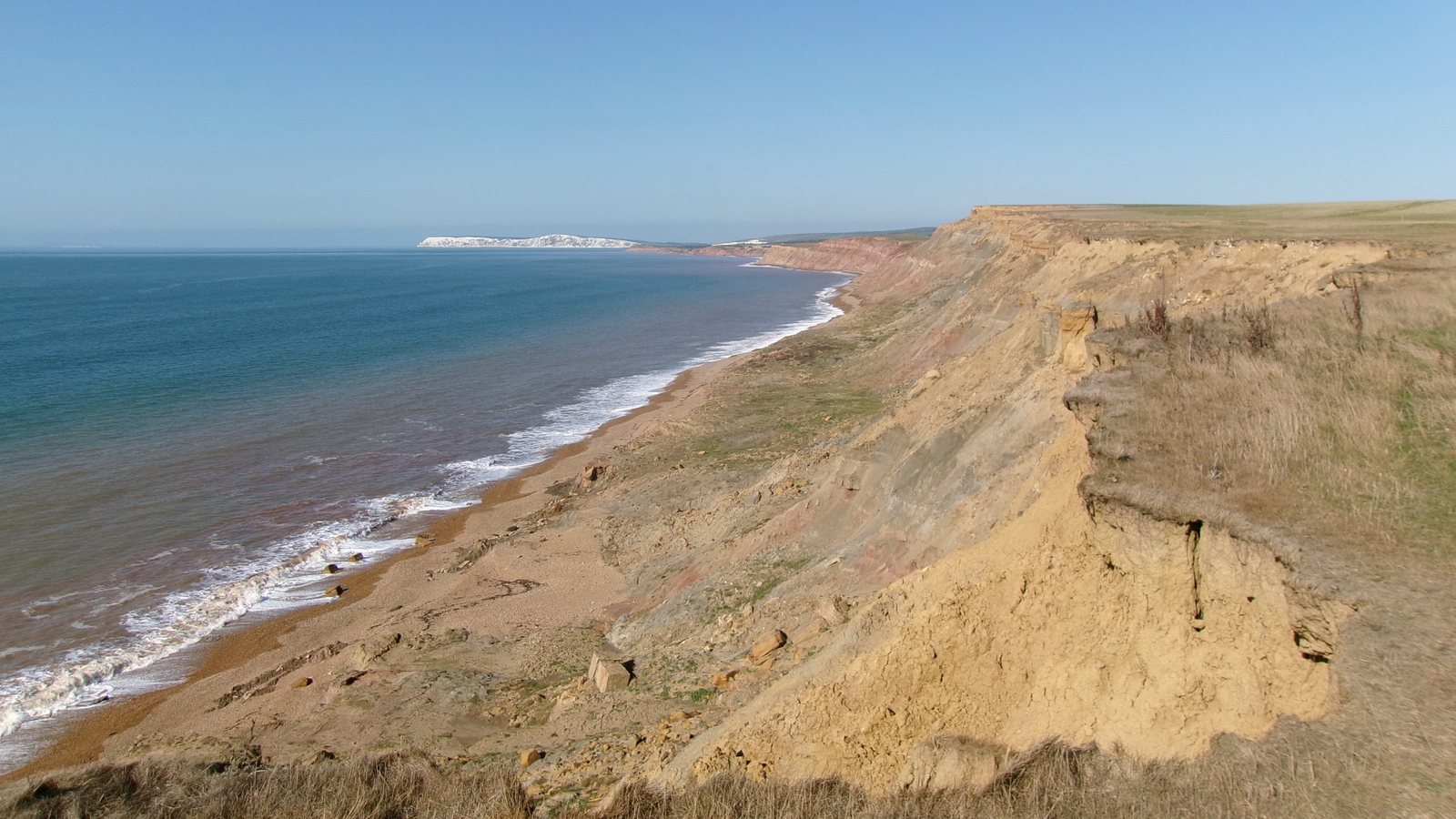
South Wight Area Youth Partnership joins Voucher Magpie: how your shopping can help young people on the Isle of Wight
The Isle of Wight charity SWAY supports almost 150 young people a year through youth groups, school mentoring and adventure trips, and has just opened a community Hub. Choose it on Voucher Magpie and we'll give it 50% of our commission whenever you shop, at no cost to you.
 Mike Dodd
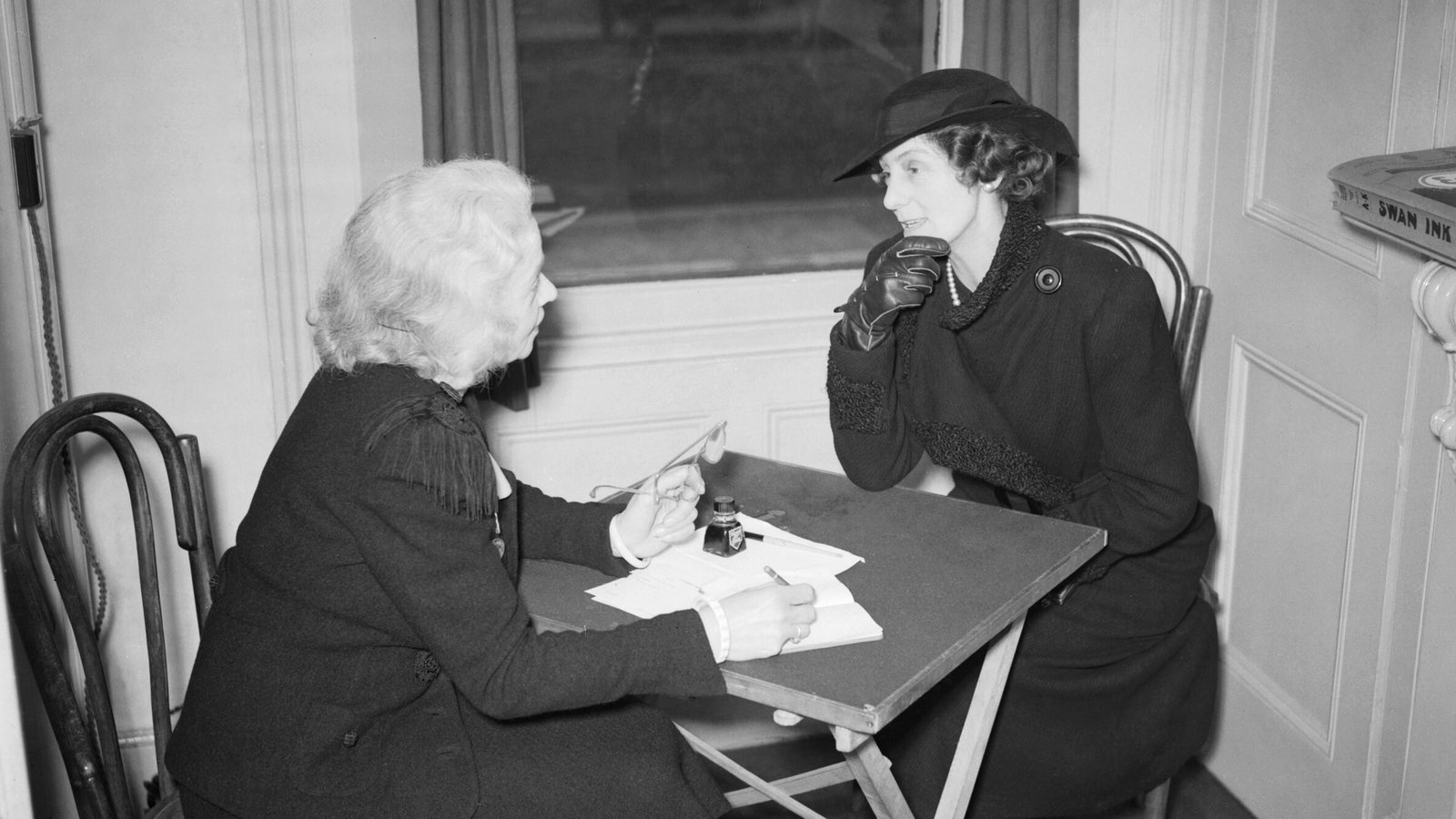
Citizens Advice joins Voucher Magpie: how your shopping can help pay for free advice on money, debt and benefits
Citizens Advice helped more than 2.4 million people last year with free advice on debt, benefits, housing and energy. Choose it on Voucher Magpie and we'll give it 50% of our commission whenever you shop, at no cost to you.
Mike Dodd
Fake savings bonds: investment scams took £221.5m last year. How to spot a clone firm
With Bank Rate at 4%, savers are hunting for better fixed rates, and scammers are copying real savings firms to catch them. The FCA warned about a fake Bondsmith on 27 October. Here's how clone firms work and how to check before you pay.
Mike Dodd