 Voucher Magpie
Energy price cap rises 4% to £1,723 from 1 October
Ofgem's cap for October to December 2026 adds about £60 a year to a typical dual-fuel bill, with gas up around 8% and electricity broadly flat after VAT was removed.

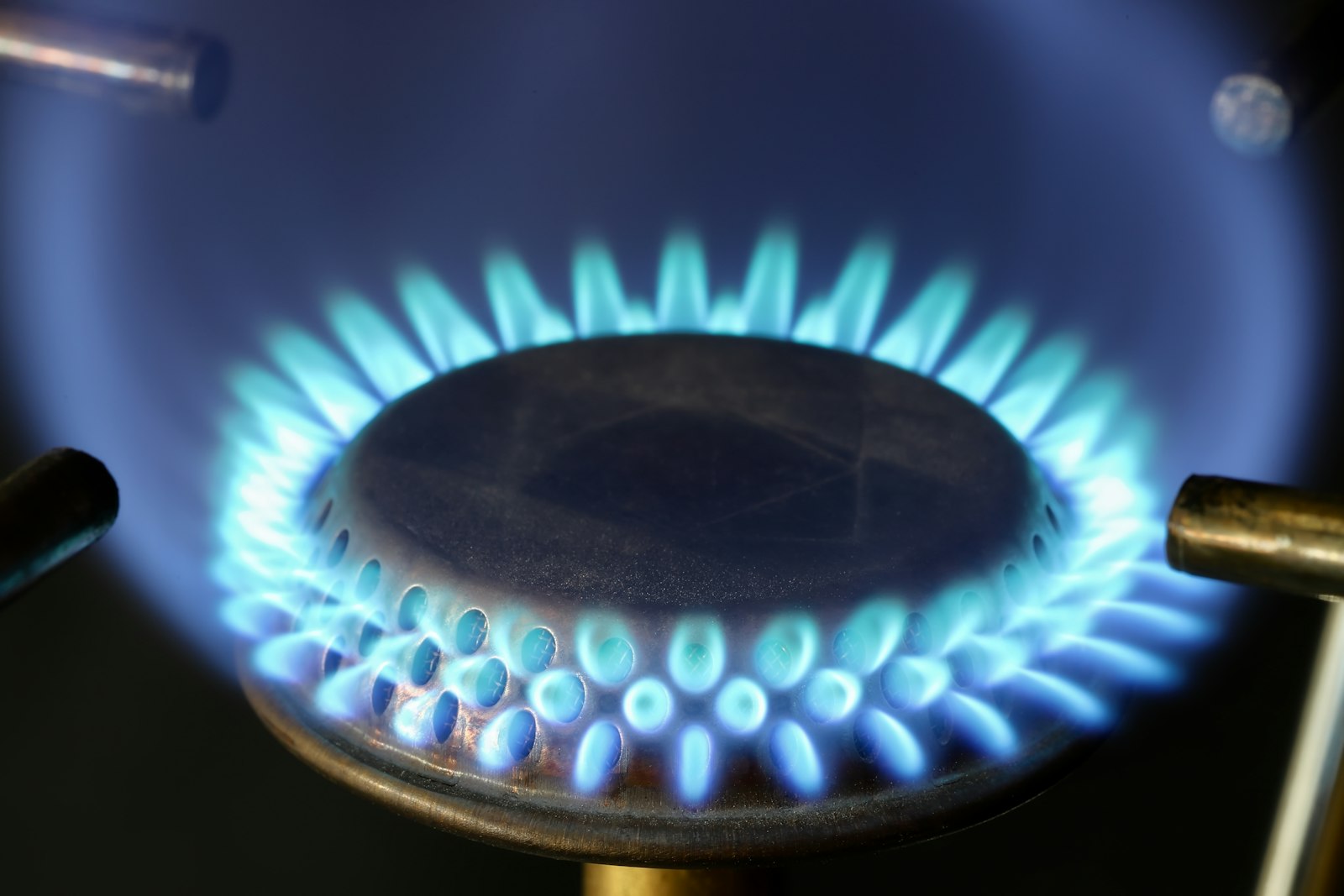
Ofgem has confirmed that the energy price cap will rise by 4% from 1 October to 31 December 2026. A typical household that uses both gas and electricity and pays by Direct Debit will pay £1,723 a year, up from £1,663 between July and September. That is an extra £60 a year, or roughly £5 a month.
The regulator says the rise is down to continued pressure on oil and gas supplies linked to the conflict in the Middle East. Gas bills are going up by around 8%, while electricity bills stay broadly stable.
Why electricity isn't rising
From 1 October the government has removed VAT from household electricity bills, covering both unit rates and standing charges. The Department for Energy Security and Net Zero says this saves an average of £45 a year, and Ofgem says that without it bills would have risen by a further £45. Suppliers apply the cut automatically, so you don't need to do anything. VAT is still charged on gas.
What this means for you
The cap limits the unit rates and standing charges on default (standard variable) tariffs. It is not a cap on your total bill, so the more energy you use, the more you pay. If you're on a fixed deal, your rates won't change until it ends. Ofgem says about 11 million households (35%) are on fixed tariffs.
Ways to save
- Look at fixed deals. Ofgem says some fixed tariffs are available at more than £100 below the October cap. Check exit fees and compare the deal with the forecast for January before you sign.
- Pay by Direct Debit or check your payment method. Prepayment customers get the lowest cap rates, around £45 cheaper than Direct Debit, while paying on receipt of a bill usually costs more.
- Use a smart meter to shift your usage. Ofgem suggests time-of-use electricity tariffs, which charge less at off-peak times, could suit some households.
Sources: Ofgem, GOV.UK (DESNZ)
Keep reading
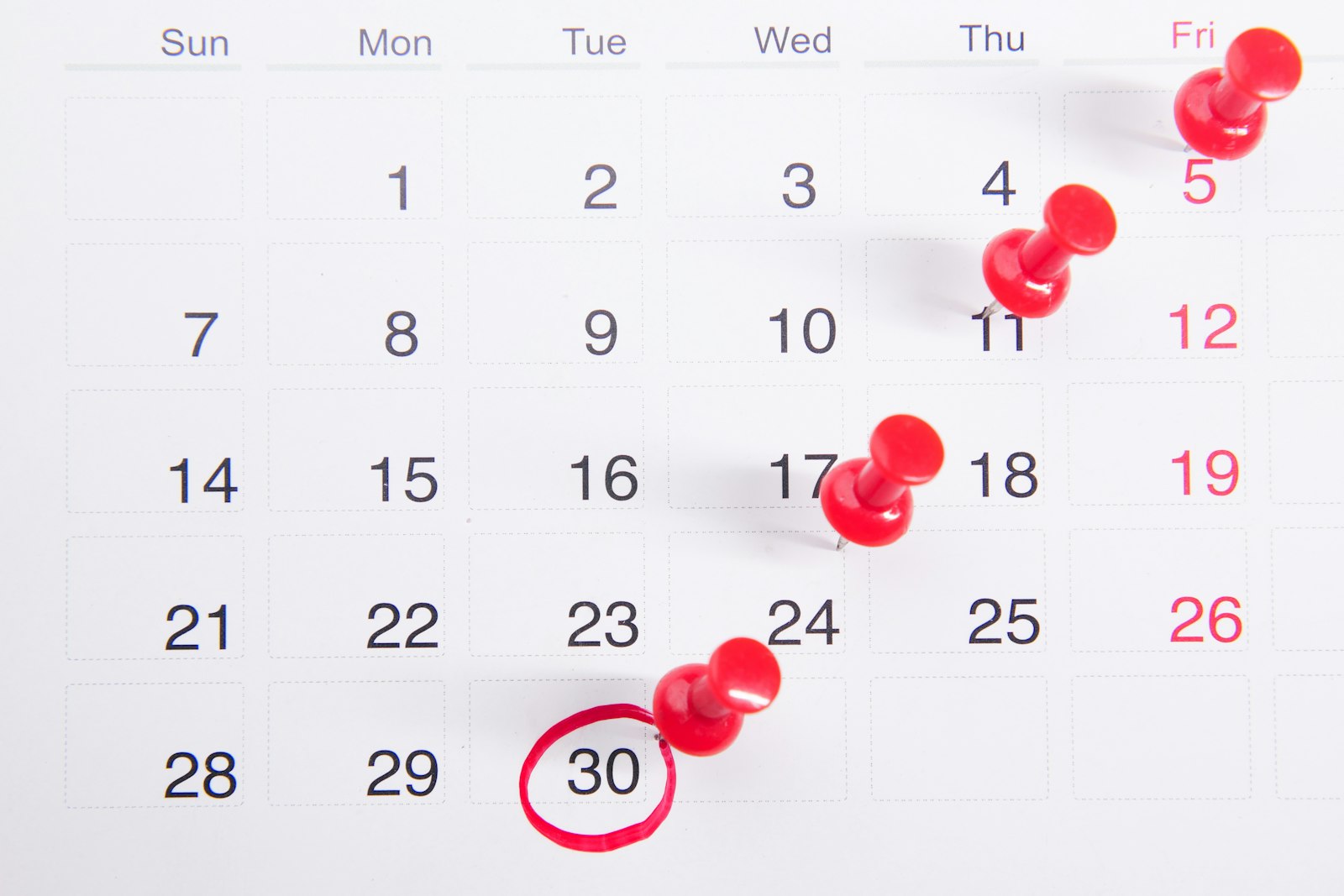
The big UK sale dates for the rest of 2026
Singles' Day, Black Friday, Cyber Monday, Boxing Day and the January sales: when they fall this year, and what each one is good for.
 Mike Dodd
Diesel tops £2 a litre for the first time ever
The average UK litre of diesel has passed 200p for the first time, the RAC says, with a family car fill-up now costing about £110.
 Elliott
Black Friday 2026: how to tell a real deal from a rerun
Black Friday lands on 27 November this year. Most of the big discounts start a week or more before. Here's how to check whether a price is really a deal.
Elliott