































Inflation was 3.5% in September. What Wednesday's figure could mean for 17 December
The ONS publishes October's inflation figure at 7am on Wednesday 18 November. The Bank of England, which raised Bank Rate to 4% this month, expects inflation to reach around 5% by mid-2027. Here's what to watch, and what it means for your mortgage and savings.

50% of our commission goes to the charity or club you pick.Change
Pick a charity and we'll give them 50% of our commission.
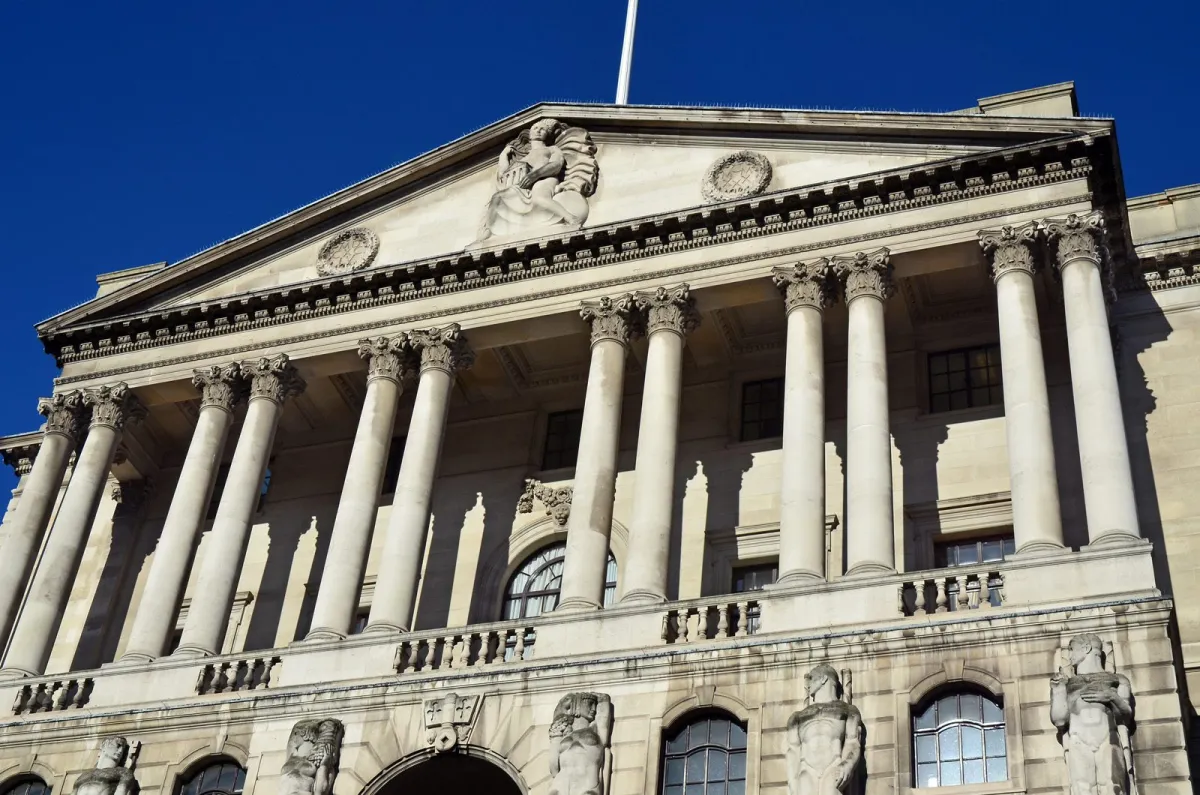
Prices rose by 3.5% in the year to September 2026, up from 3.1% in August. The Office for National Statistics (ONS) publishes October's figure at 7am on Wednesday 18 November. It's one of the last big numbers the Bank of England sees before its next Bank Rate decision, on Thursday 17 December.
What's happened so far
The Bank raised Bank Rate from 3.75% to 4% on 5 November 2026, by 8 votes to 1. Catherine L Mann wanted a bigger rise, to 4.25%. The Bank blamed the conflict in the Middle East, which has pushed up energy prices. In its minutes, it said energy had added around 1 percentage point to September's 3.5%, mostly through fuels.
The ONS's September figures show where the pressure is:
- Motor fuels were 29.8% dearer than a year earlier. Petrol averaged 169.5p a litre in September, the highest since August 2022.
- Housing and household services were up 4.5%.
- Food and soft drinks rose just 1.3%, the lowest since 2021. The ONS notes that food makers expect rises to arrive later and last longer.
- Core inflation, which leaves out energy, food, alcohol and tobacco, was 2.8%.
What feeds into October's number
We don't know the figure, and we won't guess it. But one known change falls in October: Ofgem's energy price cap rose by 4% on 1 October, from £1,663 to £1,723 a year for a typical home paying by Direct Debit. Gas bills went up 8%. Electricity stayed broadly flat because the government took VAT off electricity bills from 1 October 2026 to 31 March 2027.
The Bank's staff expect inflation to reach around 4½% in the first three months of 2027 and around 5% in April to June. It then expects inflation to fall as the energy rises drop out of the yearly comparison.
What it could mean on 17 December
The Bank says policy is "not on a pre-set path". Its members' own statements point different ways:
- Huw Pill wrote that "a single 25-basis point hike is unlikely to be sufficient".
- Clare Lombardelli said that without evidence of weaker inflation pressures, "there is likely to be a case for a further increase in rates in the near term".
- Alan Taylor called the November rise a "one-for-now" insurance hike and said "The next move could be up, down, or sideways."
The Bank's survey of market participants had a median expectation of 4.25% by February. There's one more inflation release before the decision: November's figure, due at 7am on Wednesday 16 December.
Worked examples
Savings. £10,000 in an account paying 1.66%, the average rate on easy-access and current account money in September in Bank of England figures, grows to £10,166 in a year. If prices rise 3.5%, you'd need £10,350 to buy what £10,000 buys today. You're £184 behind. In NS&I's one-year bond at 4.99%, the same money grows to £10,499, which is £149 ahead.
Mortgage. On a £200,000 tracker over 25 years at 4.75%, the payment is £1,140.23 a month. If Bank Rate rose another 0.25 points in December, the rate would be 5.00% and the payment £1,169.18. That's £28.95 a month more. A hold changes nothing. Fixed rates don't change until the deal ends.
What to do now
- Check your mortgage type and end date. Trackers move with Bank Rate. If your fix ends within six months, lenders that signed the Mortgage Charter let you lock in a new deal now.
- Check your savings rate. If it's below inflation, your money is losing buying power. Our guide to fixed-rate bonds and cash ISAs has the rates.
- Budget for January's energy cap. Ofgem announces it on 25 November. See our energy cap explainer.
- Clear expensive debt first. Card and overdraft rates are often several times what savings earn.
Questions
Does a higher inflation figure mean rates will rise? Not automatically. The Bank says it's watching for "second-round effects", where higher energy costs push up wages and other prices. One month's figure is only part of that.
Why does the Bank raise rates when energy is the problem? It can't change world energy prices. Its minutes say it is trying to stop higher energy costs from becoming lasting inflation.
When will inflation fall? The Bank expects it to peak around the middle of 2027 and then fall. Its target is 2%.
Ways to save
With food inflation low for now, a cheaper supermarket shop is one place to claw some money back. Aldi's Super 6 cuts six fruit and veg lines every two weeks, and Lidl Plus gives personalised coupons in its app. If your fix is ending, Cashback Remortgages is an FCA-regulated broker that charges no broker fee. Your home may be repossessed if you do not keep up repayments on your mortgage.
When you shop through Voucher Magpie, part of the commission the shop pays us goes to the charity or club you pick. You pay the same price.
Sources: ONS, Consumer price inflation, September 2026, 21 Oct 2026, ONS, release calendar, 15 Nov 2026, Bank of England, Monetary Policy Summary and minutes, 5 Nov 2026, Bank of England, MPC dates, 15 Nov 2026, Bank of England, Effective interest rates, 29 Oct 2026, Ofgem, price cap rise from October, 26 Aug 2026, NS&I, Guaranteed Growth Bonds, 15 Nov 2026, GOV.UK, Mortgage Charter, 15 Nov 2026, Cashback Remortgages, 15 Nov 2026
More on your rights when you shop
- Black Friday order never arrived? Contact the shop, not the courier: 30-day rule explained
- Private parking charges: the new £100 cap, 10-minute grace and how to appeal for free
- Black Friday price errors: when shops must honour them, and 90 days to undo misled buys
- Christmas train works 2026: fee-free refunds, and Delay Repay from 15 minutes late
The Thursday email
Every Thursday: the best codes from the brands you shop at. After you sign up, pick your brands and whether you want codes, hot deals, free delivery or student offers. No spam, unsubscribe in one click.
Keep reading

The Franciscan Missionaries of St. Joseph join Voucher Magpie: how your shopping can support sisters teaching and nursing in Kenya, Uganda and Ecuador
Begun in Rochdale in 1871 and now based in Bolton, the Franciscan Missionaries of St. Joseph teach in schools in Kenya and Uganda, run mobile clinics and serve a parish of 90 villages in Ecuador. Choose them on Voucher Magpie and we'll give them 50% of our commission whenever you shop, at no cost to you.
 Mike Dodd

The Southmead Project joins Voucher Magpie: how your shopping can help survivors of abuse and addiction in Bristol
This Bristol charity provides free counselling and support to adult survivors of abuse and people affected by addiction. Choose it on Voucher Magpie and we'll give it 50% of our commission whenever you shop, at no cost to you.
Mike Dodd
NS&I's 1-year bond pays 4.99%: where to fix your savings now Bank Rate is 4%
One-year fixed bonds from NS&I, Nationwide, HSBC and Barclays pay 4.25% to 4.99%, against a 1.66% average on easy-access money. Here's what £10,000 earns, the tax catch on long bonds, and why under-65s may want to use this year's cash ISA allowance.
Mike Dodd