Bank Rate is 4%, but some easy-access savings still pay 1%: who's passed on the rise
Nationwide is raising most savings rates by up to 0.25 points from 1 December, and Chase passes on the full rise on 12 November. Others haven't said. On £10,000, the gap between the worst and best accounts here is £400 a year.
50% of our commission goes to the charity or club you pick.Change
Pick a charity and we'll give them 50% of our commission.
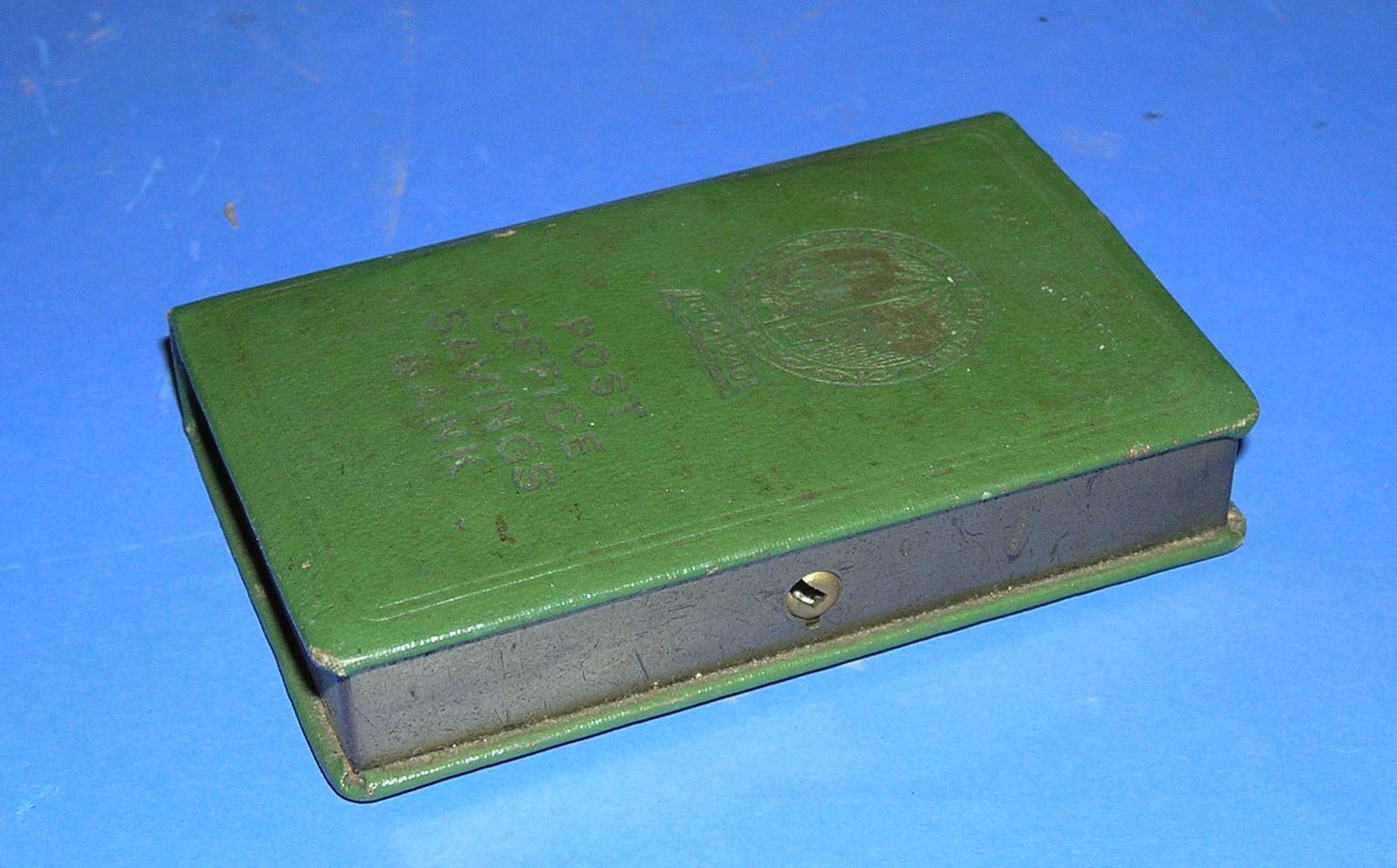
Bank Rate went up to 4% on 5 November 2026, but your savings rate only moves if your bank decides to move it. On £10,000, an account paying 1.00% earns about £100 in a year. One paying 5.00% earns about £500. We checked the banks' own rate pages on 8 November to see who has passed the rise on, and where your money earns most.
Who has passed it on
- Nationwide announced on 5 November that it is raising variable savings rates by up to 0.25 points from 1 December 2026. Its 1 Year Triple Access Saver and ISA go from 3.30% to 3.55%. Its Flex Instant Saver goes from 2.30% to 2.50%, which is a 0.20-point rise. Some older instant access accounts rise by only up to 0.15 points.
- Virgin Money, which Nationwide owns, raises its off-sale variable accounts by up to 0.25 points from the same date. Its M Plus Saver goes from 1.75% to 2.00% on balances up to £25,000.
- Chase sets its Chase Saver at 1.50 points below Bank Rate. Its page shows the rate rising from 2.25% to 2.50% AER on 12 November 2026.
- NS&I hadn't announced a change by 8 November. The Direct Saver pays 3.75%, and the Premium Bonds prize fund rate is 4.35%, with odds of 21,000 to 1 for each £1 bond.
- Barclays' savings page showed no notice of a change on 8 November. Its Everyday Saver pays 1.00%.
The Bank of England's own figures show savers were already getting more on fixed deals: the average rate on new fixed-term deposits was 4.42% in September 2026, up from 4.24% in August.
What £10,000 earns in a year
These are rates from the banks' pages on 8 November, worked out simply as £10,000 × the rate. Variable rates can change, so treat them as a guide.
| Account | Rate (AER) | Interest on £10,000 |
|---|---|---|
| Barclays Everyday Saver | 1.00% variable | £100 |
| Nationwide Flex Instant Saver (from 1 Dec) | 2.50% variable | £250 |
| Chase Saver (from 12 Nov) | 2.50% variable | £250 |
| Nationwide 1 Year Triple Access Saver (from 1 Dec) | 3.55% variable | £355 |
| NS&I Direct Saver | 3.75% variable | £375 |
| Barclays 1-Year Fixed-Rate Bond (£500 or more) | 4.25% fixed | £425 |
| HSBC 1-year Fixed Rate Savings (customers, £2,000 or more) | 4.50% fixed | £450 |
| HSBC 2-year Fixed Rate Savings (customers, £2,000 or more) | 5.00% fixed | £500 |
The catch with fixed deals: you usually can't take the money out until the term ends. The Nationwide Triple Access accounts drop to 1.15% for the rest of the year if you make more than three withdrawals.
Tax and ISAs
Most people can earn some interest tax-free. The Personal Savings Allowance is £1,000 a year for basic-rate taxpayers and £500 for higher-rate taxpayers. Additional-rate taxpayers get none. At 4.50%, £22,300 earns about £1,000 a year, so higher rates mean more people will go over.
An ISA keeps interest tax-free whatever you earn. You can put up to £20,000 into ISAs in the 2026 to 2027 tax year.
What to do now
- Find your current rate. If it's 1% to 2% on easy access, you're likely to do better elsewhere.
- Split it. Keep money you might need in easy access, and fix what you won't touch for a year.
- Move ISA money the right way. Ask the new provider for an ISA transfer. If you withdraw it yourself, you can't put that part of your allowance back. Transfers between cash ISAs should take no more than 15 working days.
- Check your protection. The FSCS protects up to £120,000 per person at each authorised bank or building society. Brands that share one banking licence count as one.
- Watch for scams. Higher rates bring fake "savings bond" offers. Check any firm on the FCA's Firm Checker before you send money.
Questions
Do banks have to pass on the rise? No. Savings rates are up to each bank, which is why some accounts get the full 0.25 points and others get less or nothing.
Should I fix now or wait? Nobody knows the next move. The Bank decides again on 17 December 2026 and says it will decide meeting by meeting. Fixing for part of your savings is one way to hedge.
Are Premium Bonds worth it? The prize fund rate is 4.35%, but that's an average. Most bonds win nothing in a given month, so your return could be lower.
Ways to save
Spending less helps too. Aldi's Super 6 offers cut the price of six fruit and veg lines, Lidl Plus gives personalised coupons in its app, and Tesco Clubcard prices are worth checking before the Christmas shop. For borrowers, we've covered what the rise means for mortgages.
When you shop through Voucher Magpie, part of the commission the shop pays us goes to the charity or club you pick. You pay the same price.
Sources: Bank of England, Bank Rate, 8 Nov 2026, Bank of England, Effective interest rates, September 2026, Nationwide, savings rate rise, 5 Nov 2026, Chase, savings rates, 8 Nov 2026, NS&I, Direct Saver, 8 Nov 2026, NS&I, Premium Bonds, 8 Nov 2026, Barclays, savings, 8 Nov 2026, HSBC, savings, 8 Nov 2026, GOV.UK, tax-free interest, 8 Nov 2026, GOV.UK, ISAs, 8 Nov 2026, GOV.UK, transferring your ISA, 8 Nov 2026, Bank of England, FSCS limit, Nov 2025
More on your rights when you shop
- Singles' Day buys from abroad: VAT and customs above £135, and your rights
- Subscription traps: the new rules start in January 2027. How to cancel free trials now
- Section 75 or chargeback? How to get your money back on Black Friday buys over £100
- Buy now pay later is now regulated: what the FCA rules mean when you shop
The Thursday email
Every Thursday: the best codes from the brands you shop at. After you sign up, pick your brands and whether you want codes, hot deals, free delivery or student offers. No spam, unsubscribe in one click.
Keep reading

Purchase scams cost UK shoppers £118.1m last year: how to spot a fake Black Friday seller
Banks logged 175,809 purchase scams in 2025, more than any other kind of bank-transfer scam. Most start online. Here's how to spot one before Black Friday, how you pay matters, and how to get your money back.
 Mike Dodd
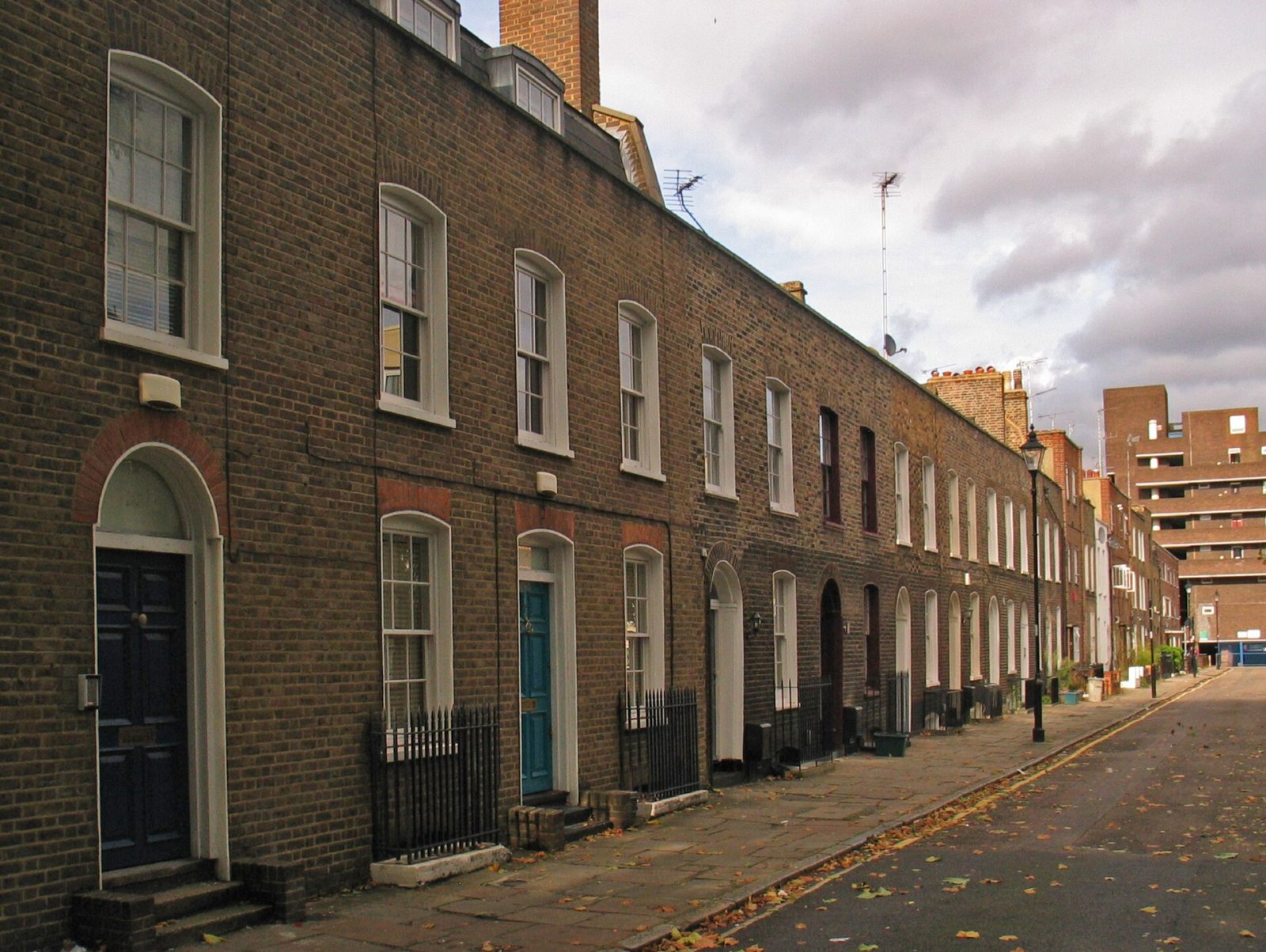
Bank Rate rises to 4%: a £200,000 tracker mortgage costs £28.57 a month more
The Bank of England raised Bank Rate from 3.75% to 4% on 5 November. Trackers and standard variable rates rise from late November and December. Here are the sums for trackers, SVRs and anyone remortgaging soon.
Mike Dodd
Remembrance Sunday: how to make sure your poppy money reaches the Poppy Appeal
Most poppy sellers are genuine volunteers. But fake collectors and counterfeit poppy merchandise turn up every November. Here's how to check a collector, a charity or a poppy pin in a few seconds.
Mike Dodd