
Storm Austen and Storm Boelo: what your home, car and travel insurance should cover, and what to do if a claim is turned down
The first named storms of the season bring warnings for wind and rain across the UK into Sunday. Here's what insurance usually covers, what to do before, during and after a storm, and how to challenge a refusal.

50% of our commission goes to .Change
Pick a charity and we'll give them 50% of our commission.
What's happened
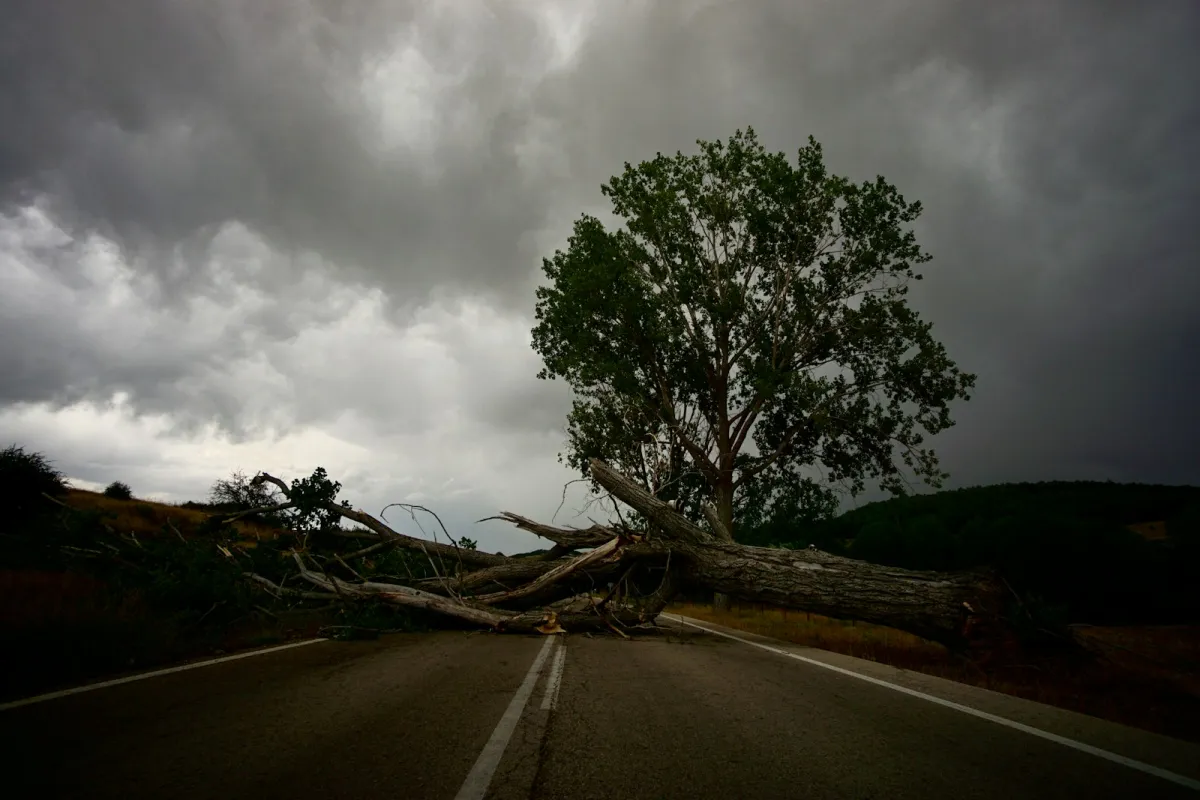
The Met Office named Storm Austen on 20 October, the first named storm of the season, and Storm Boelo two days later. As of the Met Office's update on 22 October, Austen was forecast to cross southern England and Wales from late on Thursday 22 October and through Friday 23 October. An amber wind warning covered Cornwall, Devon, Plymouth and the Isles of Scilly from 1am to 10am on Friday, with gusts of 60 to 70mph widely and perhaps around 80mph on exposed headlands. Yellow wind warnings covered much of England and Wales into Friday evening, and a yellow rain warning covered parts of southern and eastern Scotland.
Storm Boelo is a separate system, with yellow wind warnings for most of Scotland, the far north of England and Northern Ireland from 6pm on Saturday 24 October into Sunday. Warnings can change at short notice, so check the Met Office for the latest where you live.
Which? says insurers paid a record £758 million for weather damage to homes and possessions in 2025, according to the Association of British Insurers, with an average storm payout of £2,450.
What the rules say
Insurers are regulated by the Financial Conduct Authority across the UK. Its rules (ICOBS 8.1) say an insurer must handle claims promptly and fairly and "not unreasonably reject a claim". Cover depends on your policy wording, but Which? says this is typical:
- Buildings insurance should cover sudden damage from wind, rain, hail, snow or ice, such as a damaged roof or a falling tree, plus clean-up, repairs and somewhere to stay if your home can't be lived in. Flooding from heavy rain, storms, high tides or rivers is usually included.
- Common exclusions: wear and tear, such as rain getting in through a poorly maintained roof; groundwater flooding, which many insurers exclude; and, on some policies, fences, gates and outbuildings.
- Car insurance: only comprehensive cover is likely to pay for weather damage to your own car. Insurers may refuse a claim if you deliberately drove through floodwater or drove recklessly.
- Travel insurance may cover disruption if your policy includes it and the problem wasn't known when you booked. If bad weather cancels a flight, the Civil Aviation Authority says there's usually no compensation, but the airline must still offer a refund or another flight, and food and a hotel if needed.
If an insurer turns you down, the Financial Ombudsman Service asks three questions: was there a storm on or around the date of the damage, is the damage the kind storms usually cause, and was the storm the main cause? If the insurer relies on an exclusion such as wear and tear, the Ombudsman says the insurer has to prove it applies.
For power cuts in Great Britain, Ofgem says your network operator pays you automatically if power is off too long: in the most severe storms, £90 after 48 hours, then £45 for every further 6 hours. Northern Ireland has its own scheme run by NIE Networks.
A worked example
This is an illustration, not a real case. High winds lift tiles off Sam's roof and rain soaks a bedroom ceiling. The roofer quotes £1,800 and redecorating the ceiling costs £650, so the damage comes to £2,450, the same as the average storm payout. Sam's buildings policy has a £250 excess, so the insurer pays £2,200. His garden fence also blew down, costing £600 to replace, but his policy excludes fences, so he pays that himself.
If the insurer blamed wear and tear on the roof, Sam could ask for its evidence, send his roofer's report and photos, and go to the Ombudsman if it still said no.
What to do now
- Before the storm: secure bins, garden furniture, trampolines and shed doors. Charge a power bank, find a torch, and photograph your roof and fences to show their condition.
- During the storm: stay indoors if you can, keep well back from the sea and cliff edges, and don't drive through floodwater. In an emergency on the coast, call 999 and ask for the Coastguard. Report a power cut on 105, which is free and works across the UK.
- Straight afterwards: once it's safe, photograph the damage and keep damaged items unless they're a health risk. Call your insurer's claims line; most run 24 hours.
- Stop it getting worse: you can arrange emergency repairs, but tell your insurer and keep every receipt. Be wary of cold callers offering roof repairs.
- If you're turned down: complain to the insurer in writing. If you don't get a final response within eight weeks, or you're unhappy with it, take it to the Financial Ombudsman Service within six months. It's free.
Your questions answered
My policy says a storm needs winds of 55mph. Is that the final word?
Not always. The Ombudsman says a storm can also mean heavy rain, hail or snow in a short time, and it checks weather records for the date and place.
Will my claim be turned down if I drove during a weather warning?
Not automatically, Which? says, but an insurer may refuse if you ignored travel advice, drove recklessly or went through floodwater on purpose.
Does the Financial Ombudsman cover Scotland and Northern Ireland?
Yes. It handles insurance complaints from across the UK. For free help with a claim, contact Citizens Advice, or Advice Direct Scotland if you live in Scotland.
Sources: Met Office: Storm Austen named, Met Office: Storm Boelo named, Met Office: UK weather warnings, Which?: does your insurance cover bad weather?, FCA Handbook, ICOBS 8.1, Financial Ombudsman Service: storm damage, Financial Ombudsman Service: how to complain, Ofgem: power cut payments, Civil Aviation Authority: cancellations
More on your rights when you shop
- Estimated energy bills and the 12-month back-billing rule: what your supplier can and can't charge
- Broadband and mobile price rises: Ofcom's pounds-and-pence rule, and when you can leave without a fee
- Gift cards and vouchers: expiry dates, and what happens if the shop goes bust
- Flight delayed or cancelled this half-term? How to claim up to £520 each under UK261
The Thursday email
Every Thursday: the best codes from the brands you shop at. After you sign up, pick your brands and whether you want codes, hot deals, free delivery or student offers. No spam, unsubscribe in one click.
Keep reading
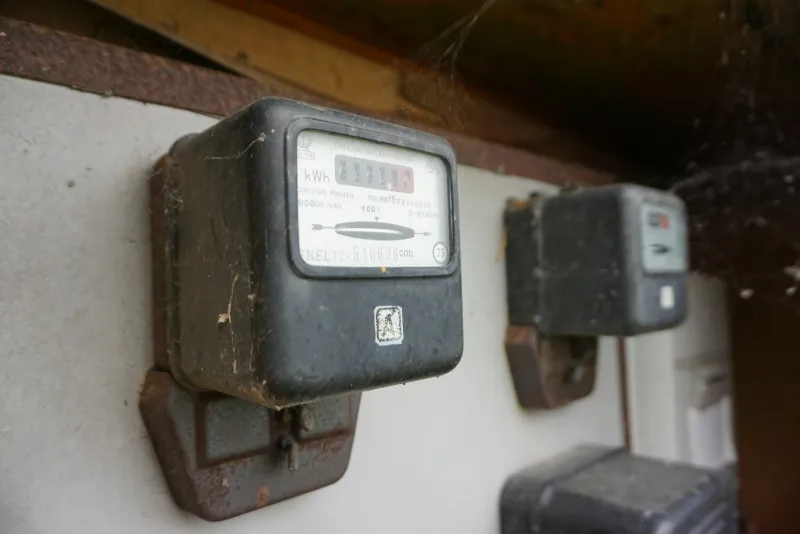
Estimated energy bills and the 12-month back-billing rule: what your supplier can and can't charge
A catch-up bill after months of estimates can be a shock. Ofgem's rules mean your supplier usually can't charge you for energy used more than a year ago. Here's how to check your bill and challenge it.
 Mike Dodd

Broadband and mobile price rises: Ofcom's pounds-and-pence rule, and when you can leave without a fee
New phone and broadband contracts must spell out their annual rises in pounds and pence. Here's what that means for the total cost of your deal, and when a price rise lets you leave without paying an exit fee.
Mike Dodd
Gift cards and vouchers: expiry dates, and what happens if the shop goes bust
There's no legal minimum life for a gift card, and administrators can stop accepting them at any time. Here's what the law says, and how paying the right way can get your money back.
Mike Dodd