
Estimated energy bills and the 12-month back-billing rule: what your supplier can and can't charge
A catch-up bill after months of estimates can be a shock. Ofgem's rules mean your supplier usually can't charge you for energy used more than a year ago. Here's how to check your bill and challenge it.

50% of our commission goes to .Change
Pick a charity and we'll give them 50% of our commission.
What's happened
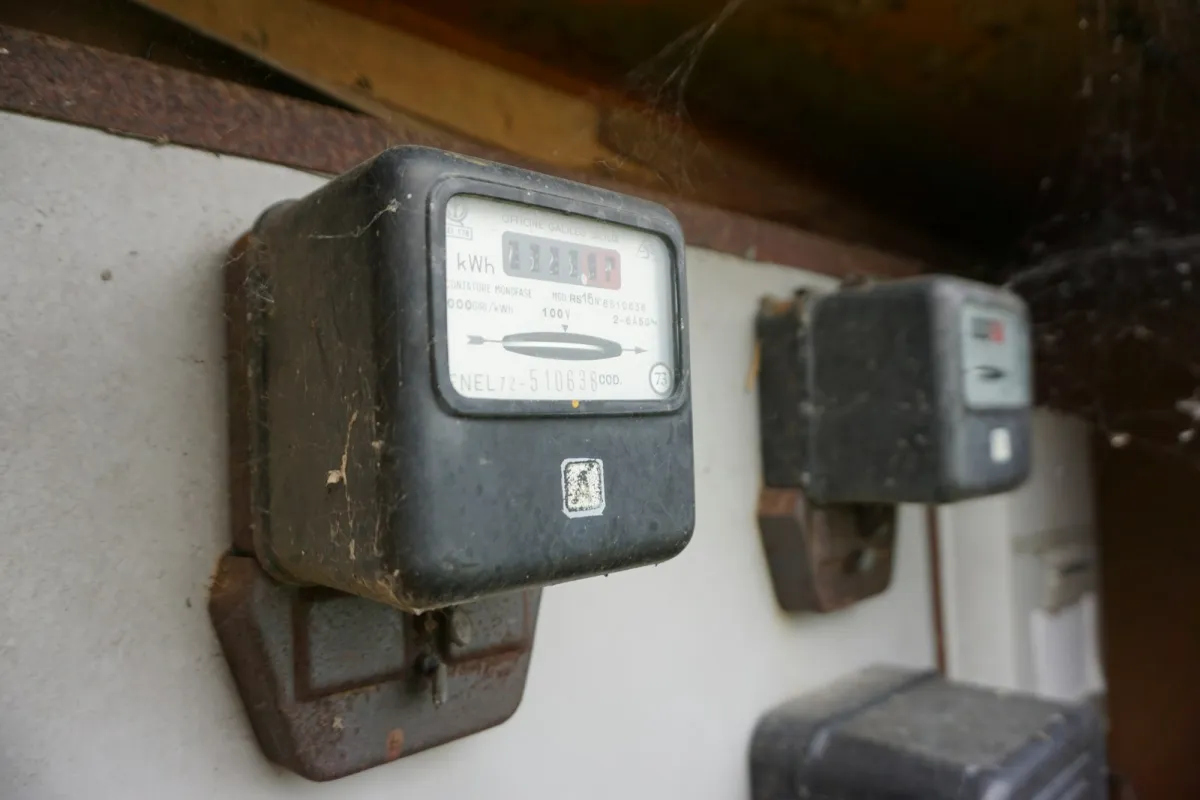
As the heating goes on, plenty of households will get energy bills based on estimates rather than real meter readings. If the estimates have been too low for a long time, a single reading can turn into a large "catch-up" bill.
There's a limit to how far back that bill can go. Ofgem's back-billing rule means that, in most cases, your gas or electricity supplier can't charge you for energy you used more than 12 months ago if you were never correctly billed for it. When Ofgem brought in the rule, it said the typical back-bill was £1,160, usually covering about two years, and some were over £10,000.
What the rules say
The rules are conditions in suppliers' licences, which Ofgem enforces under the Electricity Act 1989 and the Gas Act 1986. They apply in England, Scotland and Wales. Northern Ireland has its own regulator.
- Back-billing (Standard Licence Condition 21BA). Ofgem says you don't have to pay for energy used more than 12 months ago if you haven't had an accurate bill for it before, you haven't been told what you owe through a statement of account, or your Direct Debit was set too low to cover it. The Energy Ombudsman says this covers standing charges as well as the energy itself. The rule has applied to households since May 2018 and also covers microbusinesses.
- Meter readings (Standard Licence Condition 21B). Ofgem's licence guide says suppliers must take all reasonable steps to get a meter reading at least once a year, and make a bill or statement available at least twice a year. They must take all reasonable steps to use accurate readings you give them. If they don't think your reading is accurate, they must take reasonable steps to get a new one.
The protection has limits. Ofgem says you will have to pay for older energy if you've "acted unreasonably", for example by blocking access to your meter, ignoring requests for payment, or stealing gas or electricity. When it brought in the rule, Ofgem also said customers won't be at fault just because they didn't send meter readings. And Citizens Advice says that if your supplier sent you a correct bill within the year and you didn't pay it, it can still charge you for that energy.
What it means in pounds: a worked example
This is an illustration, not a real case.
Priya has paid £80 a month by Direct Debit for two years, based on estimated electricity readings. Her supplier never manages to read the meter. In October 2026 she sends a photo of it, and the supplier works out that she's been undercharged by £1,160 over those 24 months, the same as the typical back-bill Ofgem found.
If her use was spread evenly, about half of that, £580, is for electricity she used more than 12 months ago. She was never correctly billed for it and her Direct Debit was too low, so under the back-billing rule the supplier can't charge her for it. She can be asked to pay the remaining £580 or so for the last 12 months.
In practice, use is rarely even. Winter months cost more, and unit rates have changed several times. Ofgem's price cap for 1 October to 31 December 2026 is 26.32p per kWh for electricity and 7.97p for gas, for people paying by Direct Debit. So ask for a breakdown by date rather than assuming a 50:50 split.
What to do now
- Check whether your bill is estimated. Your bill should show whether each reading was estimated or actual. If yours is estimated, send a reading now and take a dated photo of the meter.
- Check the dates on any catch-up bill. Look at the earliest date it covers. Anything more than 12 months before the bill date may not be payable.
- Ask for a breakdown. The Energy Ombudsman suggests asking for the meter readings and how the charges were worked out.
- Challenge it in writing. Citizens Advice has an example back-billing letter. Ofgem says your supplier will refund any money taken in error.
- Ask for a payment plan if you can't pay the rest. Citizens Advice says suppliers must take into account what you can afford and how much energy you'll use in future.
- Escalate if you need to. If the complaint isn't resolved within eight weeks, or you get a "deadlock" letter, you can take it to the Energy Ombudsman for free.
Your questions answered
Does it matter whose fault the estimates were?
Only if you acted unreasonably, for example by refusing access to the meter without a good reason. Ofgem says back-bills often come from problems with a supplier's billing system or from estimating, and that you aren't at fault just because you didn't send meter readings.
I have a smart meter but still get estimated bills. What should I do?
The Energy Ombudsman says faulty early smart meters and supplier systems that reject real readings can both lead to estimated bills. Send manual readings with photos and report the fault to your supplier.
Does the rule work the other way if I've overpaid?
The 12-month limit is about what suppliers can charge you. If you're in credit, ask your supplier for a refund. The Energy Ombudsman says recalculated bills can leave you in credit as well as owing money.
Sources: Ofgem: what to do if you get a back bill, Ofgem: backbilling ban press release, Ofgem: licence guide, metering, billing and payments, Ofgem: price cap unit rates, October to December 2026, Citizens Advice: if you haven't received an accurate energy bill in a while, Energy Ombudsman: what is back billing?
More on your rights when you shop
- Broadband and mobile price rises: Ofcom's pounds-and-pence rule, and when you can leave without a fee
- Gift cards and vouchers: expiry dates, and what happens if the shop goes bust
- Flight delayed or cancelled this half-term? How to claim up to £520 each under UK261
- Faulty after 30 days? How to get a repair, a replacement or your money back
The Thursday email
Every Thursday: the best codes from the brands you shop at. After you sign up, pick your brands and whether you want codes, hot deals, free delivery or student offers. No spam, unsubscribe in one click.
Keep reading
Broadband and mobile price rises: Ofcom's pounds-and-pence rule, and when you can leave without a fee
New phone and broadband contracts must spell out their annual rises in pounds and pence. Here's what that means for the total cost of your deal, and when a price rise lets you leave without paying an exit fee.
 Mike Dodd
Gift cards and vouchers: expiry dates, and what happens if the shop goes bust
There's no legal minimum life for a gift card, and administrators can stop accepting them at any time. Here's what the law says, and how paying the right way can get your money back.
Mike Dodd
Flight delayed or cancelled this half-term? How to claim up to £520 each under UK261
If your half-term flight lands more than three hours late, or is cancelled at short notice, each passenger could be owed £220 to £520. Here's what UK261 says, when airlines can refuse, and how to claim.
Mike Dodd