Winter Fuel Payment scam texts: you don't need to "apply", so don't click
Winter Fuel Payment letters are arriving, and so are fake DWP texts asking people to apply or check their card. Most people are paid automatically. Here's how to spot the scam and what to do if you've clicked.

50% of our commission goes to .Change
Pick a charity and we'll give them 50% of our commission.
What's happened
Letters telling people how much Winter Fuel Payment they'll get are going out now. GOV.UK says eligible people will get one in October or November 2026, and most will be paid in November or December. Scam texts follow.
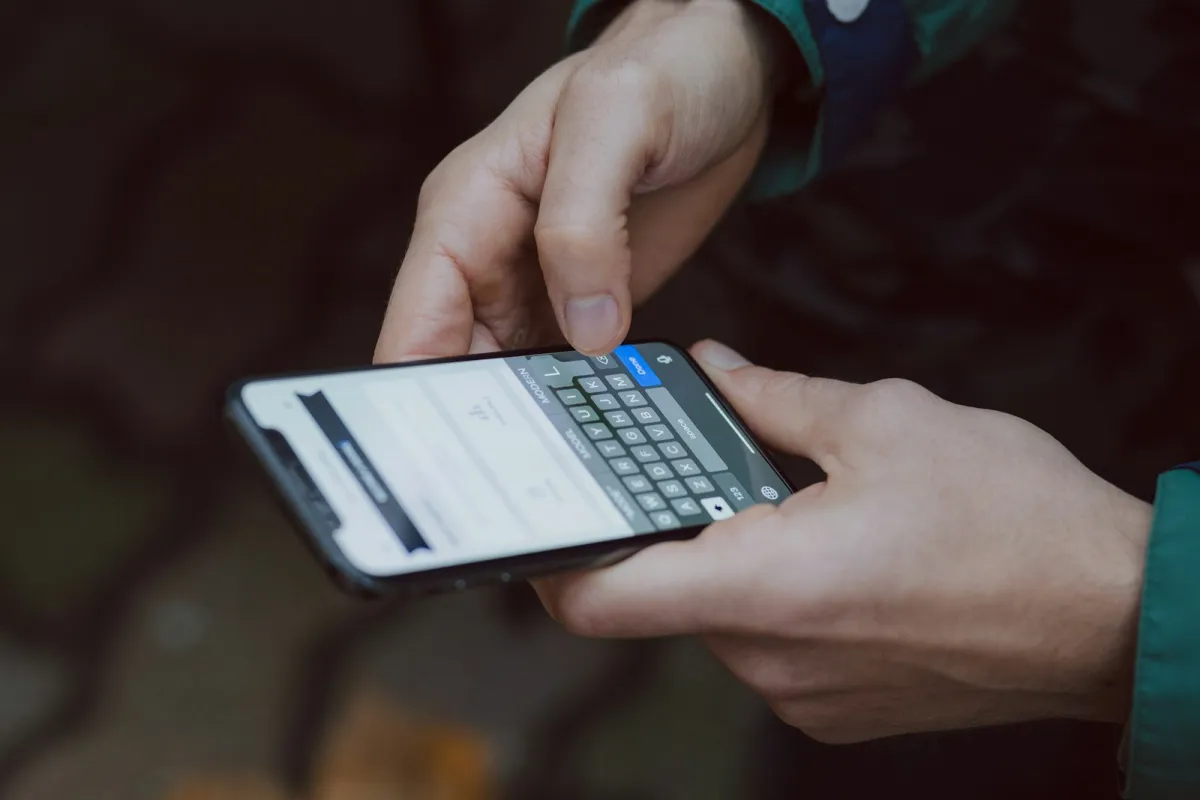
Take Five, the banking industry's anti-fraud campaign, has warned that criminals pretend to be the Department for Work and Pensions (DWP) and send texts urging people to "apply" for their Winter Fuel Payment. Some ask for a small payment to "check" that the recipient's card works. The links lead to fake websites that collect card and bank details.
Take Five's message is simple: "You do not need to do anything to receive the Winter Fuel Payment if you are eligible."
Who gets it
For winter 2026 to 2027, you can get between £100 and £300 if you were born on or before 27 June 1960 and usually live in England, Wales or Northern Ireland. It depends on your age and who you lived with during the qualifying week, 21 to 27 September 2026. Someone born between 28 September 1946 and 27 June 1960 living alone gets £200.
You don't need to claim if you get the State Pension, Pension Credit, Universal Credit or certain other benefits. The few people who do need to claim, such as those who've deferred their State Pension, do it by phone on 0800 731 0160 or by post, by 31 March 2027. Nobody claims through a link in a text.
In Scotland, Winter Fuel Payment has been replaced by the Pension Age Winter Heating Payment, run by Social Security Scotland. It's worth £105.55 to £316.70, most people get it automatically, and letters are going out from November 2026.
The warning signs
- A text asking you to "apply", "claim" or "verify". Most people are paid automatically.
- A request for card or bank details, or a small fee to "check" your card.
- A deadline or a threat to rush you.
- A link to a website that isn't GOV.UK. Fake sites copy its look, so type gov.uk in yourself.
- A follow-up call "from your bank" soon after you've entered details, asking you to move money or read out a code.
What it could cost: a worked example
This is an illustration, not a real case. Margaret, 74, lives alone and gets the State Pension, so she'll get £200 automatically. A text says she's due £300 and must "apply" by Friday. The link asks for her card details and a £1.50 "verification fee". The next day, £480 is spent on her card in online shops.
Margaret didn't authorise those payments. Under regulation 77 of the Payment Services Regulations 2017, a bank can usually ask her to pay no more than £35 towards unauthorised payments, and the rules give extra protection when card details are used for online shopping. She should call her bank straight away.
Then the scammers call, pretending to be her bank's fraud team, and persuade her to move £2,000 to a "safe account". Because she sent that herself by bank transfer, it's covered by the reimbursement rules the Payment Systems Regulator brought in on 7 October 2024. Her bank should normally refund her within five working days, though it can keep an excess of up to £100, so she'd get at least £1,900 back.
What to do now
- Don't click, reply or call any number in the text.
- Forward it to 7726 for free, so your network can block the sender. Forward scam emails to [email protected].
- Check your entitlement at the source. Go to gov.uk/winter-fuel-payment yourself, or call the Winter Fuel Payment Centre on 0800 731 0160. In Scotland, check mygov.scot.
- If you've entered card or bank details, call your bank now on the number on your card, or call 159 to reach your bank's fraud team. Ask it to block your card and refund payments you didn't make.
- Report it. In England, Wales and Northern Ireland, report to Report Fraud (which has replaced Action Fraud) on 0300 123 2040 or online. In Scotland, call Police Scotland on 101.
Your questions answered
Will the DWP ever text me about Winter Fuel Payment?
Eligible people get a letter. NI Direct says you shouldn't be asked for bank details by text or email, and GOV.UK warns that any message asking for bank details or passwords could be a scam.
I haven't had my letter yet. Should I worry?
Not yet. Letters are going out across October and November, and most payments arrive in November or December. If you're unsure whether you qualify or need to claim, call the Winter Fuel Payment Centre on 0800 731 0160.
Can I get my money back if I paid a scammer by card?
Usually, yes, if the scammer used your details to make payments you didn't authorise. Your bank can usually ask you to pay no more than £35, unless you acted fraudulently or with gross negligence. If you transferred money yourself, the reimbursement rules cover up to £85,000, and you have 13 months to claim. If your bank refuses, complain, then go to the Financial Ombudsman.
Sources: GOV.UK: Winter Fuel Payment, GOV.UK: how much you'll get, GOV.UK: how to claim, NI Direct: Winter Fuel Payment, mygov.scot: Pension Age Winter Heating Payment, Take Five: Winter Fuel Payment scam texts, Payment Services Regulations 2017, regulation 77, Payment Systems Regulator
More on your rights when you shop
- Does the EU think you've overstayed? How to check your 90 days under EES and fix mistakes
- Lost, late or damaged post: how to claim compensation from Royal Mail
- Banking app down? When you can claim compensation from your bank
- Switching energy this winter: your rights, and what Ofgem's Market Stabilisation Charge could mean
The Thursday email
Every Thursday: the best codes from the brands you shop at. After you sign up, pick your brands and whether you want codes, hot deals, free delivery or student offers. No spam, unsubscribe in one click.
Keep reading
Fake PayPal, Apple Pay and Netflix apps: how copycat apps lead to costly subscriptions
McAfee found 970 fake apps on Google Play aimed at UK users, some leading to subscriptions of up to $49.99 a month. Here's how to spot a copycat app, and how to stop the payments and claim money back.
 Mike Dodd
Roofing scams after Storm Austen: how to spot a rogue trader at your door
Roofing was the top scam reported to Citizens Advice last year, and most started with a knock at the door. Here's how to spot a rogue roofer, and what to do if you've paid one.
Mike Dodd
St Matthew's Project joins Voucher Magpie: how your shopping can help young people in Brixton
The Brixton charity, run by the community for the community, uses free football and other sport to support young people in Lambeth up to their mid-twenties. Choose it on Voucher Magpie and we'll give it 50% of our commission whenever you shop, at no cost to you.
Mike Dodd