Banking app down? How to spot the fake 'your bank' calls and texts that follow an outage
After this week's Google outage hit Lloyds, Halifax, HSBC and Revolut, Which? warned that scammers are posing as banks. Here's what the fake messages look like and how to check if one is real.

50% of our commission goes to .Change
Pick a charity and we'll give them 50% of our commission.
What's happened
On Tuesday 20 October, a "power event" at Google's cloud computing centre in London knocked out services that millions of people rely on. The Guardian reported that customers of Lloyds, Halifax, HSBC and Revolut couldn't log in, make card payments, withdraw cash or move money. Google said most services were back by 3pm, but late that afternoon Revolut's website still showed most of its services with problems. Revolut said customers' money and data were safe.
The same day, Which? warned that scammers were using the outage to pretend to be banks and other organisations. Fraudsters often use real news to make a fake message sound believable, and a bank that has just had a very public problem is ideal cover. The Financial Conduct Authority said it expects firms to "keep their customers informed and ensure no one is left out of pocket", so you may well hear from your bank about the outage. The trick is telling the real message from the fake.
The warning signs
- A message about a payment that "failed" during the outage, asking you to log in through a link or re-enter your card details.
- An offer of compensation or a refund for the outage that needs your account details, a one-time passcode or a small "verification" payment first.
- A call saying your account is "at risk" or "compromised" because of the outage, and that you need to move your money to a "safe account". No genuine bank will ever ask you to do this.
- Requests for a passcode or PIN. Your bank will never ask you to read out a code sent by text, or for your full PIN or password.
- Pressure and secrecy: being told to act now, stay on the line, or not tell your branch why you're moving money.
- A number that looks right. Caller ID can be faked, so a call that appears to come from your bank's real number proves nothing.
What it could cost: a worked example
This is an illustration, not a real case. The morning after the outage, Priya gets a text that seems to come from her bank: a payment "failed to process during yesterday's disruption" and she should call a number to fix it. The man who answers knows her name and bank, says her account has been compromised during the outage, and talks her through moving £2,400 to a "safe account". The money is gone within minutes.
Because Priya paid by bank transfer, she's protected by the Payment Systems Regulator's reimbursement rules, which have covered Faster Payments and CHAPS since 7 October 2024. Her bank should normally refund her within five business days, but it can deduct an excess of up to £100. So she could get back £2,300, or all £2,400 if her bank doesn't charge the excess. A bank can't apply the excess to customers it considers vulnerable.
How to check
- Hang up and call back on a number you trust, such as the one on the back of your card, or call 159, which connects you to most major banks' fraud teams. Use a different phone if you can, or wait a few minutes, in case the line is still open.
- Don't use links or numbers in the message. Open your banking app or type the bank's web address yourself. Which? says phone lines may be busy after an outage, so call only if it's urgent.
- Check your bank's own website or verified social media account for updates about the outage, but never share account details on social media.
What to do if you've been caught
- Call your bank straight away on 159 or the number on your card. Ask it to stop the payment and make a reimbursement claim. You have 13 months to claim, but the sooner the better.
- Report it to Report Fraud on 0300 123 2040 or online if you live in England, Wales or Northern Ireland. In Scotland, call Police Scotland on 101.
- Forward scam texts to 7726 for free, and suspicious emails to [email protected].
- Change your passwords and banking passcodes if you shared them.
- Complain to the Financial Ombudsman Service if your bank turns down your claim or you're unhappy with its answer. For payment complaints, a bank normally has 15 business days to give you a final response.
Your questions answered
Can I claim compensation for the outage itself?
Which? says banks aren't legally required to pay compensation just because an app went down, but you may get something if the outage cost you money, such as a late payment fee or overdraft charges. Collect evidence, complain to your bank, and go to the Financial Ombudsman if you're not happy with the answer.
Will my bank contact me about the outage?
It might, and that's what makes this scam work. A genuine message won't ask you to move money, share a passcode or click a link to "secure" your account. If in doubt, call 159.
How much will I get back if I'm scammed?
For bank transfers made on or after 7 October 2024, up to £85,000, minus any excess of up to £100. Your bank can refuse if it thinks you were "grossly negligent", but the Payment Systems Regulator says that's a high bar.
Sources: The Guardian, Which? scam alerts, Which?: what to do if your banking app goes down, Payment Systems Regulator, Financial Ombudsman Service
More on your rights when you shop
- Storm Austen and Storm Boelo: what your home, car and travel insurance should cover, and what to do if a claim is turned down
- Estimated energy bills and the 12-month back-billing rule: what your supplier can and can't charge
- Broadband and mobile price rises: Ofcom's pounds-and-pence rule, and when you can leave without a fee
- Gift cards and vouchers: expiry dates, and what happens if the shop goes bust
The Thursday email
Every Thursday: the best codes from the brands you shop at. After you sign up, pick your brands and whether you want codes, hot deals, free delivery or student offers. No spam, unsubscribe in one click.
Keep reading
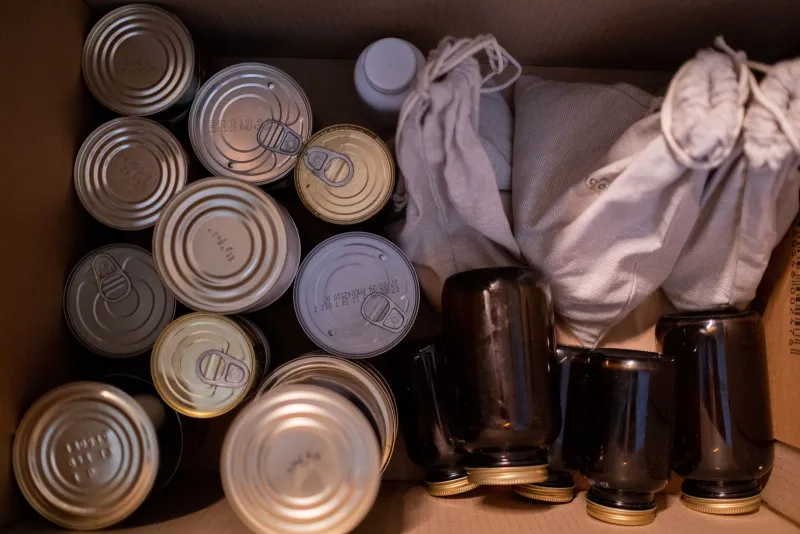
Norwich Foodbank joins Voucher Magpie: how your shopping can help people facing hunger in Norwich
The Norwich charity gives emergency food parcels to local people in crisis through 11 distribution centres. Choose it on Voucher Magpie and we'll give it 50% of our commission whenever you shop, at no cost to you.
 Mike Dodd

The Oxfordshire Animal Sanctuary joins Voucher Magpie: how your shopping can help 750 animals a year
The Stadhampton sanctuary has rehomed more than 30,000 animals since 1967. Choose it on Voucher Magpie and we'll give it 50% of our commission whenever you shop, at no cost to you.
Mike Dodd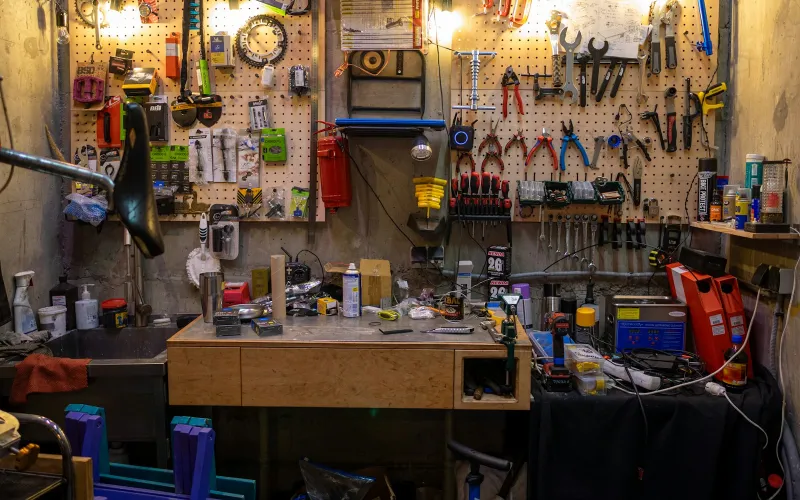
Recyke y'Bike joins Voucher Magpie: how your shopping can help get more people in the North East on bikes
The Newcastle charity refurbishes donated bikes and gives free ones to people on low incomes. Choose it on Voucher Magpie and we'll give it 50% of our commission whenever you shop, at no cost to you.
Mike Dodd